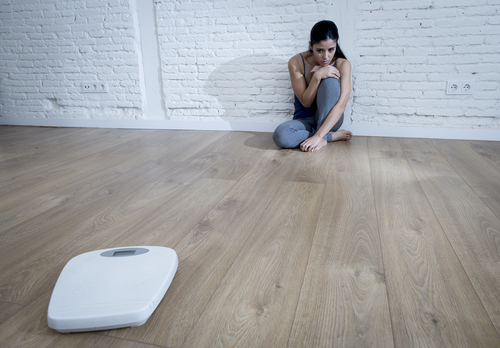



Alcohol withdrawal affects everyone differently, but research shows that women often experience stronger, faster, or more complicated symptoms than men. These differences are not a sign of weakness. Rather, alcohol withdrawal in women comes from real biological, hormonal, and emotional factors that shape how women’s bodies respond to alcohol.
For women who are trying to stop drinking, understanding these differences can make the process feel less confusing and more manageable. This blog post explains why alcohol withdrawal often impacts women differently and why specialized support can make recovery safer and healthier.
Next Steps
If you’re struggling with addiction, you don’t have to face it alone. At Casa Capri, we offer expert, women-centered care in a supportive and nurturing space—designed by women, for women. Our team is here to help you heal with purpose and connection.
Call our admissions team for a free, confidential chat—we’ll even check your insurance and estimate any costs upfront.
Biological Factors That Influence Alcohol Withdrawal in Women
Women generally have less body water and more body fat than men. Since alcohol mixes with water in the body, women often reach higher blood-alcohol levels even when drinking the same amount. Over time, this can:
- Increase strain on the liver
- Heighten the effects of alcohol on the brain
- Make withdrawal symptoms stronger and more noticeable
These biological differences mean that even moderate drinking can affect women more quickly.
Hormones such as estrogen and progesterone influence how the body responds to alcohol. For many women, alcohol hits harder at certain times of the month. Hormonal shifts can also:
- Increase cravings
- Intensify anxiety
- Make withdrawal symptoms more unpredictable
This connection between hormones and alcohol can make withdrawal more challenging and emotionally draining.
Women often develop liver inflammation, fatty liver disease, and other alcohol-related liver conditions faster than men. Since the liver plays a major role in removing toxins, any damage can worsen withdrawal symptoms such as:
- Nausea
- Exhaustion
- Headaches
- Irritability
These symptoms can appear even after relatively short periods of heavy drinking.
Emotional and Psychological Factors in Women’s Alcohol Withdrawal
Women with alcohol use disorder are more likely to experience:
- Anxiety
- Depression
- Trauma or PTSD
- Eating disorders
These conditions can intensify alcohol withdrawal in women by increasing emotional distress, sleep problems, and sensitivity to stress.
Women also face unique pressures related to family, work, caregiving, relationships, and societal expectations. Chronic stress affects the brain’s reward system and can:
- Make withdrawal cravings stronger
- Trigger mood swings
- Increase feelings of guilt or feeling overwhelmed
Stress can also make it harder to ask for help or stick with a recovery plan.

Common Alcohol Withdrawal Symptoms in Women
Although each person is different, common alcohol withdrawal symptoms in women may include:
- Heightened anxiety or panic
- Trouble sleeping
- Upset stomach and nausea
- Head pressure or migraines
- Emotional sensitivity
- Shakiness or restlessness
- Strong cravings
- Low energy or fatigue
In severe cases, alcohol withdrawal in women can also lead to seizures or delirium tremens (DTs), which require immediate medical care.
Social and Cultural Pressures Affecting Women During Alcohol Withdrawal
Women often face more judgment related to alcohol use, especially if they are mothers or caregivers. This stigma can:
- Delay seeking treatment
- Increase shame during withdrawal
- Make women feel isolated or misunderstood
Stigma is a major reason many women try to quit drinking alone, which can be unsafe.
Many women also feel responsible for maintaining the household, caring for children, and caring for aging family members. These responsibilities can make it difficult to:
- Take time away for treatment
- Rest during withdrawal
- Ask for support
Without proper help, withdrawal becomes physically and emotionally harder to manage.
Benefits of Women-Only Alcohol Detox and Treatment Programs
Treatment of alcohol withdrawal in women-only programs creates space for vulnerability and healing. Many women feel safer and more comfortable discussing trauma, relationships, or emotional struggles in a women-focused setting.
A specialized alcohol rehab for women considers the following key factors:
- Hormonal cycles
- Nutritional needs
- Co-occurring mental health conditions
- Trauma-informed support
- Community and peer connection
This approach helps women manage withdrawal more safely and build a long-term recovery foundation.

How Casa Capri Recovery Helps Women Through Alcohol Withdrawal
Casa Capri Recovery specializes in helping women heal with compassion, dignity, and clinically proven care. Our program offers:
- Medically supervised detox for safe withdrawal
- Integrated mental health support for anxiety, depression, trauma, and stress
- Holistic therapies such as yoga, nutrition support, and mindfulness
- Community-driven healing with other women who understand your experience
- Long-term recovery planning tailored to each woman’s life and responsibilities
- Treatment of alcohol withdrawal in pregnant women
Healing from alcohol use disorder is not a journey you need to do alone. Casa Capri’s attentive, comprehensive women’s detox center can help you move through withdrawal safely and begin building a healthier, more hopeful future.
Conclusion: Why Support Makes a Difference During Alcohol Withdrawal in Women
Alcohol withdrawal can feel emotionally exhausting, especially for women who face unique biological and emotional challenges. But with the right support, recovery becomes safer, stronger, and more empowering.
If you or someone you love is considering getting help, Casa Capri Recovery is here to offer guidance, comfort, and professional care tailored specifically for women.
Next Steps
If you’re struggling with addiction, you don’t have to face it alone. At Casa Capri, we offer expert, women-centered care in a supportive and nurturing space—designed by women, for women. Our team is here to help you heal with purpose and connection.
Call our admissions team for a free, confidential chat—we’ll even check your insurance and estimate any costs upfront.
FAQs About Alcohol Withdrawal in Women
How long does alcohol withdrawal usually last for women?
Withdrawal timelines vary for each woman, but most symptoms begin within 6–12 hours after the last drink. The most uncomfortable symptoms typically peak around 48–72 hours. Some women may experience lingering sleep issues, anxiety, or mood changes for several weeks, especially if their drinking was long-term or heavy.
Are women more likely to hide or minimize symptoms of alcohol withdrawal?
Yes. Many women downplay or hide their symptoms due to shame, family responsibilities, or fear of judgment. This can delay medical care and increase the risk of complications. Honest communication with a healthcare provider is important for safe detox.
Can alcohol withdrawal affect a woman’s menstrual cycle?
Yes. Hormonal changes during withdrawal can temporarily disrupt the menstrual cycle. Some women may experience irregular periods, heavier bleeding, or missed cycles during early recovery. These changes often stabilize once the body heals.
Is it dangerous for women to detox from alcohol at home?
Detoxing at home can be risky because alcohol withdrawal in women can escalate quickly and unpredictably. Additionally, women may be at higher risk for complications such as severe dehydration, mental health distress, or seizures. Professional monitoring is strongly recommended.
Does alcohol withdrawal affect women differently during perimenopause or menopause?
Yes. Women in perimenopause or menopause may experience intensified withdrawal symptoms because hormonal shifts can heighten anxiety, hot flashes, sleep problems, and mood swings. These overlapping symptoms can make withdrawal feel more severe.
Can long-term alcohol use affect women’s bone health during withdrawal?
It can. Chronic alcohol use can weaken bones and reduce calcium absorption. During withdrawal, women may experience muscle weakness or joint discomfort, which can feel worse if bone density has already been affected.
Do women need different nutritional support during alcohol withdrawal?
Often, yes. Women are more likely to experience vitamin deficiencies (especially B vitamins, iron, and magnesium) after long-term alcohol use. Nutritional support can help reduce fatigue, restore energy, and stabilize mood during early recovery.
Can alcohol withdrawal worsen symptoms of postpartum depression?
Yes. Women who recently gave birth or are experiencing postpartum depression may feel increased emotional instability during withdrawal. Because alcohol can mask underlying mental health symptoms, stopping alcohol use may temporarily make those feelings more noticeable.
Are women more likely to develop post-acute withdrawal syndrome (PAWS)?
Some research suggests that women may be more vulnerable to lingering symptoms like mood swings, insomnia, and low motivation during PAWS. These symptoms can appear weeks or months after stopping alcohol, but can be managed with proper support.
Does alcohol withdrawal affect women differently if they are taking antidepressants or anxiety medications?
Yes. Some medications can interact with withdrawal symptoms or influence how the body adjusts to sobriety. A medical professional can help adjust medications safely during detox to prevent complications.