

Many women drink to manage stress or calm their nerves after difficult days. While alcohol may feel soothing at first, it often leads to higher anxiety over time. Understanding alcohol and anxiety in women can reveal why this cycle is so common.
Next Steps
If you’re struggling with addiction, you don’t have to face it alone. At Casa Capri, we offer expert, women-centered care in a supportive and nurturing space—designed by women, for women. Our team is here to help you heal with purpose and connection.
Call our admissions team for a free, confidential chat—we’ll even check your insurance and estimate any costs upfront.
The Science Behind Alcohol’s Impact on Anxiety in Women
Alcohol alters brain chemicals that manage mood, stress, and decision-making. It slows the central nervous system, offering temporary relaxation. But once the effects fade, the brain rebounds with increased worry, tension, and irritability.
Why Women Are More Vulnerable to Alcohol-Induced Anxiety
Women metabolize alcohol differently due to body composition, hormones, and enzyme levels. These differences make women more sensitive to alcohol’s emotional and physical effects, increasing the risk of heightened anxiety after drinking.
The Anxiety–Alcohol Cycle: Why Drinking Makes Anxiety Worse in Women
Many women become trapped in a loop: anxiety leads to drinking, drinking brings momentary relief, and then anxiety returns even stronger. This cycle can affect sleep patterns, emotional stability, and overall well-being.
Short-Term Calm vs. Long-Term Anxiety Symptoms
Although alcohol may dull emotions temporarily, it disrupts the body’s natural stress response. Over time, the brain becomes less able to manage stress, leading to higher anxiety levels.
How Alcohol Lowers Stress Tolerance in Women
Heavy or frequent drinking weakens the brain’s ability to regulate everyday pressures. Combined, alcoholism and anxiety make tasks that once felt manageable seem overwhelming, creating more stress and emotional instability.
Mental and Physical Health Effects of Alcohol-Related Anxiety in Women
The combination of rising anxiety and increased alcohol use affects all areas of a woman’s life. Common issues include mood swings, poor sleep, muscle tension, and emotional exhaustion. These symptoms can influence relationships, self-esteem, and daily responsibilities.
Hormonal Imbalances That Intensify Anxiety in Women
Hormonal shifts during menstruation, pregnancy, postpartum periods, and menopause can heighten anxiety. Alcohol disrupts hormone regulation, amplifying emotional highs and lows for many women.
Signs You May Be Struggling With Alcohol-Related Anxiety
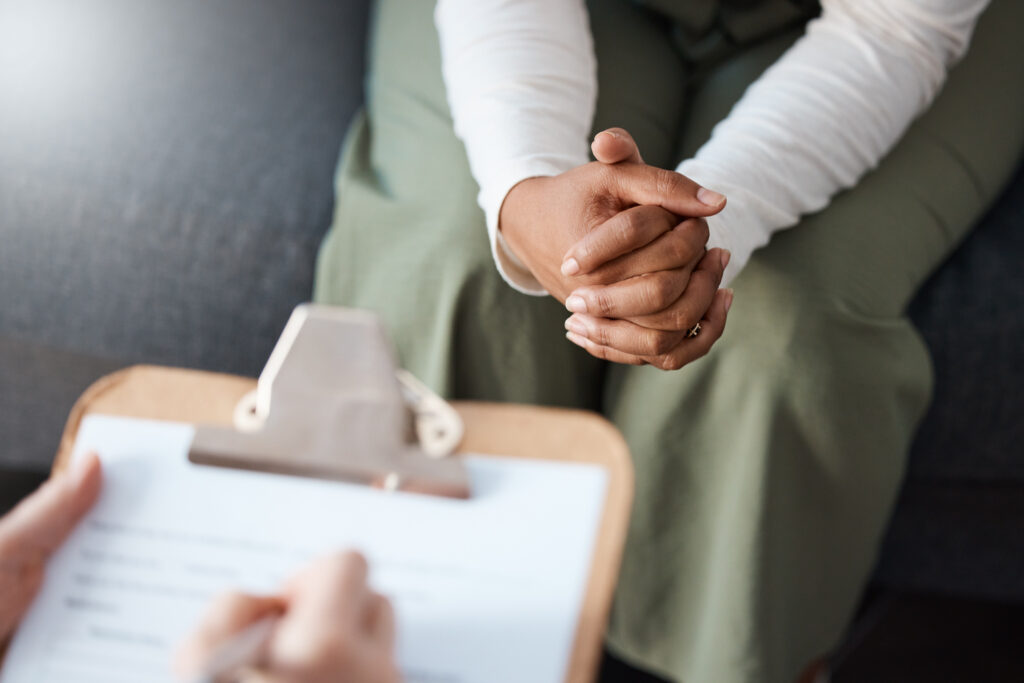
Identifying early warnings of alcohol and anxiety can help women seek support sooner. Common signs include:
- Drinking to cope with stress or difficult emotions
- Feeling anxious or shaky the morning after drinking
- Trouble sleeping or repeated nightmares
- Mood swings or heightened irritability
- Needing alcohol to relax or socialize
- Feeling guilt or shame about drinking habits
These signs are more common than many women realize, and they often point to a deeper struggle beneath the surface.
Why Women Benefit from Professional Treatment for Alcohol and Anxiety
Breaking the alcohol-anxiety cycle is challenging to do alone. Professional guidance that addresses anxiety and alcohol provides structure, emotional support, and coping tools that help women heal safely and effectively.
Casa Capri Recovery focuses on alcohol rehab for women that speaks to the emotional, physical, and hormonal side of addiction and stress. Therapeutic support helps women:
- Understand the root causes of anxiety
- Build healthier coping skills
- Restore emotional balance
- Strengthen resilience
- Reconnect with themselves and others
This personalized approach creates a foundation for long-term recovery and improved mental health.
Healing the Link Between Alcohol and Anxiety in Women
Recovery begins with awareness. Understanding alcohol and anxiety in women gives you the power to make positive changes. With compassionate support and evidence-based treatment, it is possible to break this cycle and rebuild a healthier, calmer life.
Casa Capri Recovery offers a safe, supportive environment dedicated to women’s healing. If alcohol and anxiety are affecting your life, reaching out can be the first step toward lasting peace and emotional freedom.
Next Steps
If you’re struggling with addiction, you don’t have to face it alone. At Casa Capri, we offer expert, women-centered care in a supportive and nurturing space—designed by women, for women. Our team is here to help you heal with purpose and connection.
Call our admissions team for a free, confidential chat—we’ll even check your insurance and estimate any costs upfront.
FAQs About The Link Between Alcohol and Anxiety in Women
Can alcohol trigger anxiety even if a woman doesn’t feel stressed before drinking?
Yes. Alcohol can activate the body’s stress response even when a woman isn’t feeling anxious beforehand. As alcohol wears off, the brain produces more stress hormones, which can create anxiety “out of nowhere,” even after a small amount of drinking.
Why do some women experience panic attacks after drinking alcohol?
Alcohol disrupts normal brain chemistry and can interfere with sleep cycles, blood sugar levels, and dehydration. These factors can trigger physical sensations (such as a racing heart or dizziness) that some women interpret as a panic attack.
Does drinking alcohol make women more sensitive to everyday worries?
Yes. Regular alcohol use lowers the brain’s ability to manage minor stressors. Over time, women may feel more sensitive to daily tasks, social situations, or responsibilities, even on days when they do not drink.
Can alcohol worsen anxiety disorders like GAD or social anxiety?
Absolutely. Alcohol and anxiety disorders together tend to amplify symptoms in women. It may worsen rumination, fear of judgment, avoidance behaviors, and physical symptoms such as trembling or chest tightness.
Is it normal for anxiety to last several days after drinking?
Yes. Some women experience “extended hangxiety,” where anxiety lingers for 24–72 hours. This is often due to sleep disruption, hormonal changes, and the body working to rebalance neurotransmitters affected by alcohol.
Does alcohol affect women differently during menstrual cycles?
Yes. Alcohol and anxiety in women can spike when hormone levels fluctuate during certain phases of the menstrual cycle. Alcohol can intensify these hormonal shifts, leading to stronger emotional reactions or heightened anxiety.
Can quitting alcohol temporarily increase anxiety in women?
Yes. When women stop drinking, the brain needs time to adjust. Temporary anxiety, irritability, or restlessness can occur during early sobriety, but these symptoms usually improve as the brain heals.
Are certain types of alcohol more likely to trigger anxiety in women?
The amount matters more than the type. However, sugary mixed drinks or beverages with high alcohol content may cause faster blood sugar drops or stronger intoxication, increasing the risk of next-day anxiety.
How does sleep quality influence alcohol-related anxiety in women?
Poor sleep is one of the strongest triggers for anxiety. Alcohol disrupts REM sleep and can cause nighttime awakenings, which makes women more vulnerable to anxiety the next day.