

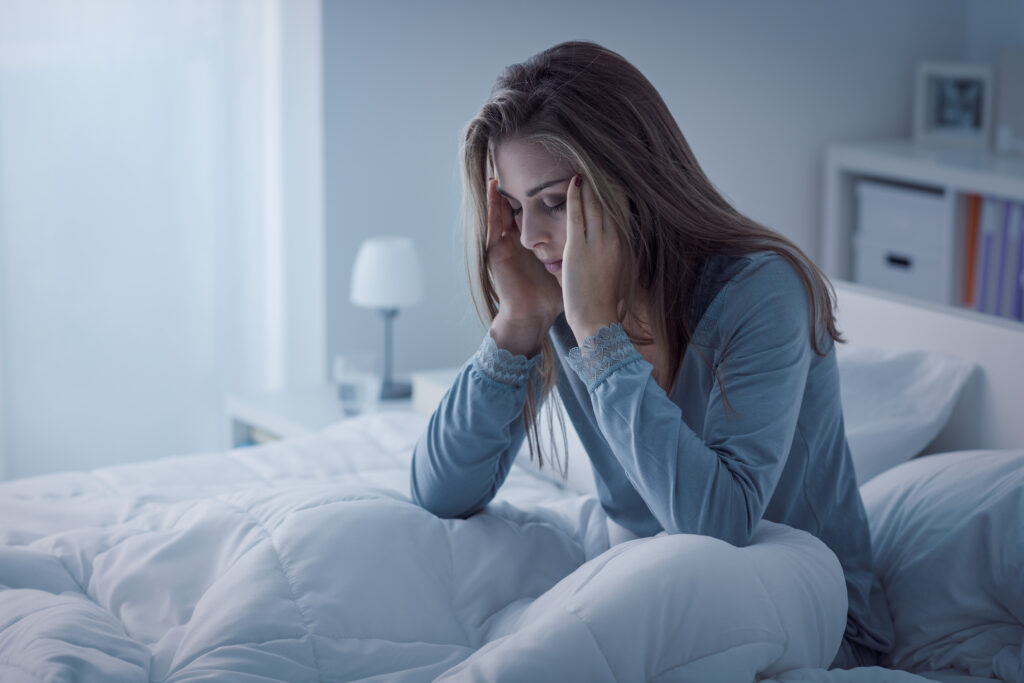
If you’re lying awake at night and can’t turn your thoughts off, it makes sense you might be wondering about the causes of insomnia in women. Many women describe insomnia as nights that never quite feel like rest, the clock moves slowly, the mind keeps running, and sleep stays just out of reach.
This can be especially frustrating when your body is exhausted and mornings come too soon. Sleep is how the body restores itself, and when it’s hard to access night after night, it affects not only your energy but also how steady and safe you feel inside your own body. This article aims to answer the question, “Why can’t women sleep?” and tackle the topic of insomnia by identifying what it is, how it develops, and how to relieve it.
Next Steps
If you’re struggling with addiction, you don’t have to face it alone. At Casa Capri, we offer expert, women-centered care in a supportive and nurturing space—designed by women, for women. Our team is here to help you heal with purpose and connection.
Call our admissions team for a free, confidential chat—we’ll even check your insurance and estimate any costs upfront.
What Insomnia Can Look Like
Insomnia doesn’t always mean not sleeping at all. For many women, it looks like restless or interrupted sleep that never feels fully restorative.
You might fall asleep but wake frequently. You might wake earlier than planned and be unable to fall back asleep. Or you may feel physically tired while your mind stays alert, especially at night. Over time, this pattern can leave you feeling worn down, emotionally sensitive, or disconnected from your usual sense of balance.
If this feels familiar, it doesn’t mean you’re doing something wrong. It means your body is responding to something it has been carrying.
Different Types of Insomnia in Women
Insomnia is often described in “types,” but for many women, these aren’t rigid categories. They’re patterns that can shift depending on stress, life changes, health, or emotional load. Some women experience one pattern consistently, while others move between them over time.
These are the most common ways insomnia tends to show up for women:
- Short-term insomnia: Sleep problems during periods of stress or change that last days or weeks.
- Long-term insomnia: Ongoing sleep difficulties that happen several nights a week for months at a time.
- Trouble falling asleep: Feeling exhausted but lying awake with an active or racing mind.
- Trouble staying asleep: Waking during the night or too early and struggling to fall back asleep.
- Sleep that changes with life circumstances: Insomnia that worsens during stress, hormonal shifts, travel, or demanding schedules.
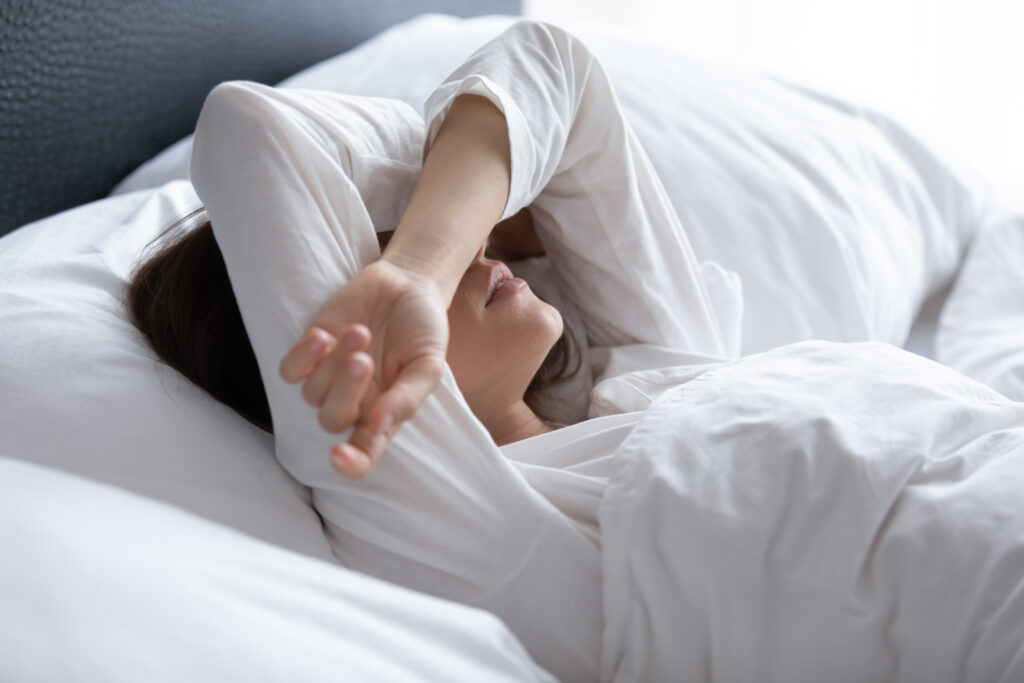
Causes of Insomnia in Women (What Often Disrupts Sleep)
The causes of insomnia in women are rarely simple or isolated. Sleep is closely tied to emotional regulation, hormonal balance, and nervous system safety, which means many factors can quietly interfere with rest. Here are a few common reasons sleep problems in women can occur:
Ongoing Stress or Anxiety
When stress doesn’t settle at the end of the day, the nervous system can remain alert even when the body is exhausted. Racing thoughts or constant worry can make it difficult to fall asleep or stay asleep.
Emotional Overload
One of the biggest causes of insomnia in women points to grappling with heavy emotional burdens. Carrying mental and emotional responsibility throughout the day can leave little room for rest at night. Even when the body slows down, the mind may continue processing, leading to lighter or disrupted sleep.
Trauma or Unresolved Stress
Past or ongoing stress can teach the nervous system to stay watchful. In this state, sleep may feel unsafe or difficult to reach, even when exhaustion is present.
Hormonal Changes
Insomnia in women can occur due to shifts related to menstrual cycles, pregnancy, perimenopause, or menopause, which can affect sleep quality and timing. Many women notice changes in sleep during these transitions.
Irregular Schedules
Very often, women can’t sleep because of long work hours, rotating schedules, or inconsistent routines that disrupt their internal clocks, making it harder to settle into regular sleep patterns.
Caregiving Demands
Caring for others often means interrupted sleep and limited recovery time. Over time, this can make restorative sleep difficult to maintain.
Caffeine or Stimulant Use
Stimulants can help manage daytime fatigue but may interfere with the body’s ability to wind down, especially when used later in the day.
Signs Your Sleep Struggles May Be Insomnia
You don’t need to experience every sign for your sleep difficulties to matter. Insomnia tends to present as patterns rather than a single clear symptom.
Common signs include:
- Difficulty falling asleep
- Waking often during the night
- Waking earlier than intended
- Feeling unrefreshed after sleep
- Daytime fatigue, irritability
- Trouble concentrating
- Anxiety around bedtime.
What Helps Reduce Insomnia in Women
Reducing insomnia doesn’t start with forcing sleep. For many women, it begins with lowering pressure and supporting the nervous system’s ability to settle.
Helpful steps to reduce insomnia in women may include:
- Creating more predictable daily and evening routines
- Allowing time to wind down without screens or stimulation
- Setting gentler expectations around sleep and rest
- Addressing ongoing emotional or physical strain
- Making small adjustments that support a sense of safety at night
Often, small and consistent changes that support regulation matter more than strict rules or quick fixes.

How Casa Capri Approaches Insomnia Care
Casa Capri’s women’s mental health services are designed to treat the whole person, not just the symptom. We use a combination of clinical and holistic therapies to help you regain your rest:
CBT & Trauma Resolution
CBT can help when insomnia is driven by anxiety, racing thoughts, or unresolved stress. It helps identify patterns that keep the mind active at night and gently change them.
Psychiatry & Medication Management
Psychiatry and medication treatment are sometimes part of insomnia care, especially when sleep disruption is severe or long-standing. When used, it’s typically considered alongside other supports rather than on its own.
EMDR
For women whose sleep is affected by trauma or chronic stress, EMDR can help reduce nervous system activation that interferes with rest.
Somatic Therapy
This is especially aligned with insomnia. Somatic work focuses on helping the body feel safer and more settled, which is often necessary before sleep can come more easily.
Breathwork & Body Movement
Gentle breathwork and intentional movement can support regulation and help the body transition out of a heightened state at night.
You Don’t Have to Solve This Tonight
If you’re reading this during another restless night, you don’t need to fix everything right now. Insomnia isn’t a personal failure. It’s a signal that your body needs care. You’re allowed to take this one step at a time. Questions are okay. Support can start with being heard, at a pace that feels manageable for you.
Next Steps
If you’re struggling with addiction, you don’t have to face it alone. At Casa Capri, we offer expert, women-centered care in a supportive and nurturing space—designed by women, for women. Our team is here to help you heal with purpose and connection.
Call our admissions team for a free, confidential chat—we’ll even check your insurance and estimate any costs upfront.
FAQs About Causes of Insomnia in Women
Is insomnia more common in women?
Yes. Insomnia affects women more often than men, especially during periods of hormonal change and prolonged stress.
What prescription medicines treat insomnia?
Prescriptions can be helpful, but they aren’t the only approach and aren’t right for everyone. They’re often considered alongside other forms of support. It’s also important to understand the causes of insomnia in women to get to the root of the problem, rather than rely on a pill that may lead to dependency. Some sleep medications are addictive, and sleeping pill prescription treatment may be needed in the event of overreliance on the medicine, essentially compounding the issue of obtaining quality sleep.
Can I take a supplement or natural product for insomnia?
Some women find supplements helpful, while others do not. Responses vary, and it’s important to notice how your body reacts.
Do complementary or alternative sleep aids work?
They can support some women, particularly when combined with nervous system regulation, but they’re rarely a complete solution on their own.
Why can’t women sleep if they feel sleepy?
This often happens when the body is exhausted, but the nervous system remains alert, a common pattern in stress- or trauma-related insomnia.