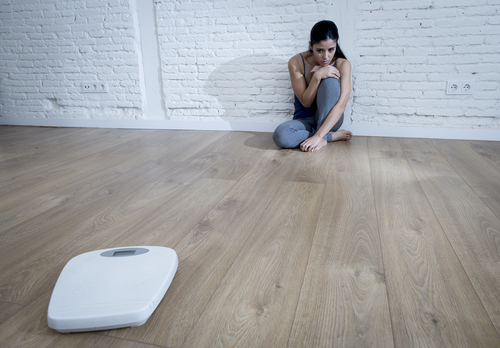



Recovery for women isn’t simple, and it certainly isn’t the same for everyone. Factors such as trauma, love, motherhood, identity, and the relentless pressure to hold it all together can be tremendous weights for women to bear. Fortunately, women’s addiction recovery can be a life-saving opportunity to honor yourself, your story, and rebuild a life in which you can finally learn and love to be uniquely you free from the weight of trauma and addiction.
Next Steps
If you’re struggling with addiction, you don’t have to face it alone. At Casa Capri, we offer expert, women-centered care in a supportive and nurturing space—designed by women, for women. Our team is here to help you heal with purpose and connection.
Call our admissions team for a free, confidential chat—we’ll even check your insurance and estimate any costs upfront.
Understanding Women’s Addiction Recovery Differently
Women’s addiction recovery requires a different approach because the roots and patterns of addiction often differ from men’s experiences. Women are more likely to start using substances to cope with emotional pain, trauma, or relationship issues rather than for social or recreational reasons.
Your body also processes substances differently, which means you may develop signs of addiction more quickly or face different medical complications. Hormonal fluctuations throughout your menstrual cycle, pregnancy, and menopause can affect cravings and mood stability.
Common Challenges Women Face in Recovery
The challenges in recovery from addiction go beyond just stopping substance use. You’re likely dealing with layers of trauma, whether from childhood abuse, domestic violence, or sexual assault. These experiences shape your relationship with substances and require careful, trauma-informed treatment.
Shame and guilt often hit women harder, especially if you’re a mother worried about how your addiction affected your children. You might also be managing co-occurring mental health conditions like depression, anxiety, or eating disorders that need simultaneous treatment.
The Impact of Relationships and Family Dynamics
Relationships are both a source of pain and a reason to seek recovery for many women. You might have started using because of an abusive partner, or stayed in harmful situations because of addiction. Maybe you’re trying to balance recovery with being a caregiver to children, aging parents, or others who depend on you.
Women’s addiction recovery needs to address codependency patterns, boundary-setting, and rebuilding healthy relationships. Gender-specific addiction treatment creates space to explore these dynamics without complications that can arise in mixed-gender settings.

Why Gender-Specific Addiction Treatment Works Better
There are a myriad of challenges women face in recovery that men do not. Gender-specific addiction treatment isn’t about excluding men. It’s about creating an environment where you can heal without added complications. In women-only treatment, you can discuss sensitive topics like sexual trauma, domestic violence, and reproductive health without any added discomfort.
At Casa Capri Recovery we design our programs so you’ll be surrounded by supportive women who understand your experience on a personal level. The therapies, groups, and activities are tailored with women’s psychological and emotional needs in mind.
Addressing Co-occurring Disorders in Women
Most women entering addiction treatment are dealing with more than substance use. Depression, anxiety, PTSD, and eating disorders commonly co-occur with addiction. These conditions feed into each other, making recovery impossible unless they are treated together. Effective women’s addiction recovery programs have expertise in dual diagnosis treatment, providing integrated care that addresses everything simultaneously rather than treating these conditions separately.
Trauma-Informed Care as the Foundation
Trauma-informed care recognizes that most women in recovery have experienced trauma and that traditional treatment approaches can sometimes re-traumatize rather than heal. This approach emphasizes safety, trust, choice, and empowerment throughout your treatment process. Through therapies such as EMDR (Eye Movement Desensitization and Reprocessing) and somatic work, you can process traumatic experiences and develop healthier ways to manage difficult emotions, addressing the root causes rather than just the symptoms of addiction.

The Role of Motherhood in Women’s Recovery
If you’re a mother, your children are probably a major factor in both your struggle and your motivation to get well. The guilt about how addiction affected your kids can be overwhelming. You might worry about losing custody or being judged as a bad parent. Quality women’s addiction recovery programs address these concerns directly, offering parenting support, family therapy, and help to rebuild trust with your children.
Building a Supportive Recovery Community
A built-in benefit of women’s addiction recovery is the community. Life-long connections are often formed, serving as ongoing sources of support, understanding, and accountability. In women-only treatment, you can be vulnerable without fear of judgment. The bonds you’ll form through shared experiences of challenges in recovery from addiction create a network that continues supporting you long after you leave treatment.
What Casa Capri Offers for Women’s Addiction Recovery
Getting help is less about the question of when to start addiction treatment; it’s about where and the quality of care you deserve. At Casa Capri Recovery, we’ve designed our program around the realities of women’s addiction recovery. Our Newport Beach facility provides a safe environment for you to focus on healing. Our clinical team specializes in trauma-informed care, dual diagnosis treatment, and the unique factors affecting women’s recovery, integrating evidence-based therapies with holistic approaches while involving families and creating detailed aftercare plans.
Next Steps
If you’re struggling with addiction, you don’t have to face it alone. At Casa Capri, we offer expert, women-centered care in a supportive and nurturing space—designed by women, for women. Our team is here to help you heal with purpose and connection.
Call our admissions team for a free, confidential chat—we’ll even check your insurance and estimate any costs upfront.
FAQs About Women’s Addiction Recovery
How do I know if my eating disorder is severe enough for residential treatment?
Women face unique challenges in recovery, including higher rates of trauma, different biological responses to substances, and specific social pressures. Gender-specific addiction treatment addresses these factors comprehensively in an environment where women feel safe discussing sensitive topics.
What are the most common challenges women face in recovery?
The challenges women face in recovery include processing trauma, managing co-occurring mental health conditions, addressing relationship dynamics and codependency, coping with shame and guilt, and balancing recovery with caregiving responsibilities.
How does women's addiction recovery address trauma?
Women’s addiction recovery uses trauma-informed approaches that emphasize safety and empowerment. Therapies like EMDR, somatic therapy, and trauma-focused CBT help you process traumatic experiences while learning healthy coping mechanisms.
Can I bring my children to treatment?
Some women’s addiction recovery programs offer accommodations for children or childcare support. Others provide family therapy and visitation to maintain your connection with your children while you focus on healing. Call us today if you have any questions.
How long does women's addiction recovery take?
Recovery doesn’t follow a set formula, and everyone’s experience is unique. That said, residential treatment typically lasts 30 to 90 days or longer, depending on your needs. The challenges in recovery from addiction are unique for each woman, so treatment length should be individualized.