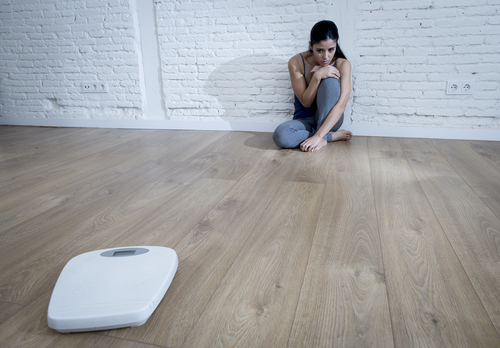



For women struggling with addiction, the journey to recovery doesn’t always end with checking out of a facility. In fact, that’s often when the hardest part begins. While many women leave treatment hopeful and determined, relapse rates remain high—and the reasons behind that go deeper than willpower. Traditional recovery programs often focus on surface-level treatment models designed for the general population. But women live different lives. They carry different weights. And the kind of support they need after rehab usually doesn’t look like a one-size-fits-all program.
Something needs to change—and it is, slowly but surely. But first, it helps to understand why women are slipping through the cracks in the first place.
Next Steps
If you’re struggling with addiction, you don’t have to face it alone. At Casa Capri, we offer expert, women-centered care in a supportive and nurturing space—designed by women, for women. Our team is here to help you heal with purpose and connection.
Call our admissions team for a free, confidential chat—we’ll even check your insurance and estimate any costs upfront.
Unpacking What Rehab Often Misses for Women
Most conventional rehab models were built around male-centric data from decades ago. They don’t always account for the social, emotional, and psychological realities that many women face. Trauma plays a major role in women’s addiction stories, far more often than people like to admit. Sexual abuse, domestic violence, toxic relationships, impossible pressures to do it all and be it all—they weigh heavy. And unless a rehab program goes beyond detox and into these deeper layers, long-term recovery becomes a moving target.
Then there’s the reality of what women are returning to after treatment. Some have kids and no childcare lined up. Others face emotionally unsafe environments or financial dependency on people who were part of the problem to begin with. Even something as simple as being expected to immediately return to caretaking or work responsibilities without processing what just happened in rehab can be enough to push someone right back into old coping habits.
When women don’t feel seen or supported in their healing, it shows. And it often shows up as relapse.
The Pressure to Perform Wellness
There’s an unspoken expectation that women should bounce back from addiction like it’s a phase to shake off. The moment they finish rehab, they’re supposed to glow up, get back into yoga, meal prep organic quinoa, journal their trauma into oblivion, and somehow never feel the urge to numb out again. But recovery isn’t a cute Instagram aesthetic. It’s messy. It’s uneven. And pretending otherwise just adds more pressure.
In fact, one of the biggest reasons women relapse isn’t just the stress of daily life—it’s the shame of not getting it “right” the first time. There’s a toxic narrative that relapse equals failure. But in truth, it often just means the support wasn’t deep enough, or the treatment didn’t actually match the pain that drove the addiction in the first place.
This is where women’s mental health needs to be handled with more care and less cliché. True recovery isn’t just about quitting a substance. It’s about confronting the beliefs and wounds that made that substance feel necessary. That takes time, space, and connection with others who truly understand. When those things are missing, shame steps in—and shame is a fast track to relapse.

Relearning Safety, Inside and Out
Addiction for many women is about survival. Whether it’s numbing past trauma, navigating abusive relationships, or just trying to stay afloat in a world that constantly demands more—substances become a way to self-soothe when safety doesn’t feel accessible. That’s why a sense of safety is essential in recovery, both physically and emotionally.
Women-only spaces create a unique opportunity for that kind of safety to exist. The absence of certain dynamics—like the pressure to perform around men, the risk of being minimized, or the fear of being misunderstood—allows women to speak freely, unravel deeply held beliefs, and rebuild their identities in ways that feel honest and empowered.
Addiction often thrives in silence, and when women feel like they can finally say the things they’ve been holding in, healing begins to take root. Whether it’s group sessions that dive into emotional trauma, or quiet mornings spent journaling with zero judgment, women-only rehab centers give room for something most programs don’t prioritize: full emotional expression. That expression, when respected and reflected, builds the kind of inner trust that helps recovery stick when life gets hard again.
What Makes a Recovery Experience Actually Work for Women
Not all recovery settings are built the same. Some feel like emotional boot camps, others are as sterile as a hospital ward. But the ones that stick with people tend to offer something more human. For women especially, the path out of addiction can feel less like a staircase and more like a maze. That’s why the support system around them has to be flexible, thoughtful, and most importantly—real.
A good rehab experience for a woman doesn’t just focus on stopping use. It should look at parenting stress, hormonal health, relationships, work-life balance, boundaries, food patterns, sleep cycles, and the emotional residue left from years of survival mode. This isn’t extra—it’s necessary.
Whether someone finds that safety and support in a luxury rehab center, a Christian rehab for women or anything in between, what matters most is that they find it. Comfort, care, community—it all counts. Healing environments that nurture rather than judge create the space women need to unravel deeply rooted pain and learn new ways to face life sober.
Programs that incorporate therapeutic practices like trauma-informed therapy, creative expression, gentle routines, and spiritual care (if desired) tend to create longer-lasting outcomes. When a woman feels emotionally fed and not just told what not to do, she’s more likely to stay the course.

The Reality That Recovery Isn’t Linear—And That’s Okay
Every woman’s story is different. And every path to sobriety comes with its own set of roadblocks, detours, and unexpected turns. There’s no gold star for doing recovery “perfectly.” The truth is, a lot of women relapse because recovery isn’t designed to support their real lives—it’s designed to check boxes and produce quick outcomes. But real healing doesn’t rush. It doesn’t ignore the hard parts. It holds them, walks through them, and patiently builds something better.
That’s what women deserve. Not just a clean bill of health, but a life they actually want to stay sober for.
When It Finally Feels Possible
Relapse doesn’t have to be the end of the story. For many women, it becomes the moment they realize something deeper needs to be addressed—and that’s when the real work begins. The right environment, the right people, and the right kind of care can turn things around in a way that sticks. When healing is allowed to be honest, imperfect, and fully supported, recovery becomes more than just a possibility. It becomes a reality worth fighting for.
Next Steps
If you’re struggling with addiction, you don’t have to face it alone. At Casa Capri, we offer expert, women-centered care in a supportive and nurturing space—designed by women, for women. Our team is here to help you heal with purpose and connection.
Call our admissions team for a free, confidential chat—we’ll even check your insurance and estimate any costs upfront.