

When most people picture depression, they think of sadness, crying, or losing interest in favorite activities. While those signs are common, depression doesn’t always fit the image we expect. Sometimes it hides in unexpected behaviors, changes in routines, or struggles that don’t get recognized right away. That’s why so many people live with untreated depression for years, dismissing their symptoms as stress, aging, or simply a “phase.” The good news is that more people are beginning to see these less obvious signs for what they are and are reaching out for support. From shifts in appetite to spiritual struggles, let’s take a closer look at some of the uncommon ways depression shows up and how treatment is helping people move forward.
Next Steps
If you’re struggling with addiction, you don’t have to face it alone. At Casa Capri, we offer expert, women-centered care in a supportive and nurturing space—designed by women, for women. Our team is here to help you heal with purpose and connection.
Call our admissions team for a free, confidential chat—we’ll even check your insurance and estimate any costs upfront.
Changes in Eating Habits May Signal Depression
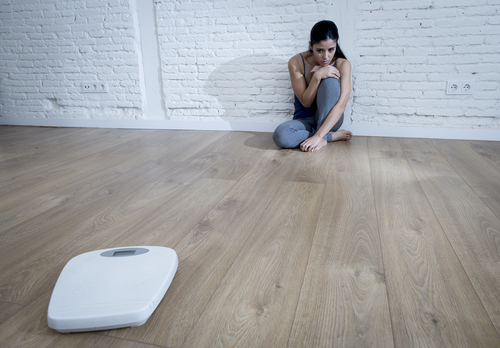
It’s no surprise that food and emotions are linked, but the relationship runs deeper than many realize. Depression and eating habits often go hand in hand, creating patterns that may not be obvious at first glance. Some people lose their appetite and skip meals without noticing. Others turn to food for comfort, eating late at night or indulging in foods that bring a temporary sense of relief. Over time, both patterns can cause health issues and reinforce negative feelings.
Eating disorders sometimes develop in this context, making it even harder to tell what’s driving the behavior. When providers recognize the connection between mood and food, they can tailor treatment to address both. Nutrition counseling, therapy, and support groups all play a role in breaking the cycle. For those struggling, realizing that eating patterns might reflect an underlying mood disorder is often the first step toward recovery.
Faith Struggles May Point to Depression
Depression isn’t only emotional or physical. It can also impact spiritual life. For people who draw strength from their faith, losing the ability to connect with prayer or worship can feel especially painful. The sense of isolation grows, and with it, the symptoms of depression. This is where specialized care makes a difference. Getting help from Christian depression treatment centers give individuals the opportunity to reconnect both with their faith and with proven clinical support.
They combine counseling, medical treatment when needed, and spiritual guidance in a way that recognizes the whole person. Struggling to pray or feeling distant from God doesn’t mean someone lacks faith. It can be a symptom of depression itself. When care addresses both the mental health side and the spiritual side, healing feels more complete.

Subtle Changes in Women
Sometimes depression in women is dismissed as aging, hormonal shifts, or the natural demands of family life. But certain subtle changes are red flags that shouldn’t be ignored. One of the clearest is sleep. While many assume that altered sleep is just part of getting older, shifts in bedtime, waking up unusually early, or struggling with insomnia can signal more than biology.
Research continues to show the strong link between sleep and mental health. Poor or disrupted sleep affects mood regulation, concentration, and resilience, all of which make depression worse. The mistake many make is thinking these changes are inevitable. In reality, addressing them directly through therapy, medical evaluation, or lifestyle changes can uncover depression that might otherwise go untreated.
Physical Complaints can Mask Emotional Struggles
Another less recognized sign of depression is physical pain without a clear medical cause. Headaches, backaches, and stomach issues often appear in people who are silently battling depression. These complaints can send someone to doctor after doctor, chasing relief without ever considering that mood might be at the root. The connection between body and mind is real, and depression often expresses itself through the body when words can’t capture the distress.
While this can be frustrating, it’s also an important clue for both patients and providers. When physical symptoms are evaluated alongside mood and history, depression can be spotted and treated more effectively. Therapy and medication may reduce both the emotional burden and the physical discomfort, showing just how intertwined the two truly are.
Isolation Reveals Hidden Depression
Depression has a way of making people withdraw, but it doesn’t always look dramatic. Instead of openly avoiding social events, some people quietly decline invitations, cancel plans at the last minute, or stop reaching out to friends. They may still function at work or school, which makes the problem harder to recognize. The danger comes when connection erodes gradually.
Over time, isolation deepens depression, creating a cycle that’s hard to break. Recognizing that retreating from others is not just a preference but possibly a symptom is vital. Interventions can range from therapy to peer support groups, both of which reintroduce healthy connection. Rebuilding these ties reminds people that they’re not alone, and often provides the spark they need to continue pursuing treatment.
Next Steps
If you’re struggling with addiction, you don’t have to face it alone. At Casa Capri, we offer expert, women-centered care in a supportive and nurturing space—designed by women, for women. Our team is here to help you heal with purpose and connection.
Call our admissions team for a free, confidential chat—we’ll even check your insurance and estimate any costs upfront.