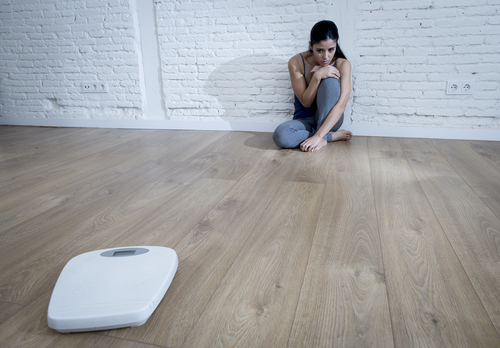



Deciding to seek help is a brave first step. But knowing what level of care you need can feel overwhelming. Outpatient treatment works well for many women, but sometimes the structure and support it provides simply aren’t enough. If you’ve been trying to manage your recovery while juggling daily responsibilities and still find yourself struggling, it may be time to consider residential treatment. Recognizing when you need more intensive care isn’t a failure; it’s a sign of strength. Understanding signs it’s time for residential treatment is an honest assessment of what your healing truly requires.
Next Steps
If you’re struggling with addiction, you don’t have to face it alone. At Casa Capri, we offer expert, women-centered care in a supportive and nurturing space—designed by women, for women. Our team is here to help you heal with purpose and connection.
Call our admissions team for a free, confidential chat—we’ll even check your insurance and estimate any costs upfront.
Key Signs It’s Time for Residential Treatment
1. You’ve Tried Outpatient Care and Keep Relapsing
One of the top signs you need residential treatment is if you’ve completed outpatient programs or attended weekly therapy and still find yourself returning to old patterns, and your current support may not be enough. Residential treatment offers 24/7 care in a structured environment where you’re removed from triggers and can focus entirely on healing.
2. Your Home Environment Triggers or Enables Your Struggles
If your home includes people who use substances, constant family conflict, or reminders of past trauma, healing becomes nearly impossible. Residential treatment creates physical and emotional distance from these triggers, giving you space to work through underlying issues without daily stress.
3. You’re Experiencing Severe Mental Health Symptoms
Depression and addiction in women pose a complex and potentially health-harming combination. When anxiety, depression, or trauma symptoms become so intense that you can’t function in daily life, outpatient care may not provide enough support. If you’re having frequent panic attacks, intrusive thoughts, dissociation, or suicidal ideation, residential treatment offers around-the-clock access to trained professionals who can help stabilize your symptoms in real time.

4. You’re Dealing With Co-Occurring Disorders
When addiction and mental health conditions occur together, they create a complex web that’s difficult to untangle without intensive help. Residential treatment allows clinicians to address both conditions simultaneously in a coordinated way, getting to the root of why you’re struggling in the first place.
5. Your Physical Health Is at Risk
Residential substance abuse treatment may be an advisable solution if you’re withdrawing from substances, experiencing complications from an eating disorder, or your mental health has led to harming yourself; your safety is the priority. Residential treatment provides medical supervision and intervention when your physical health is compromised, ensuring you can stabilize safely.
6. You’ve Lost Connection to Yourself and Others
If you’ve withdrawn from friends and family, stopped doing activities you once enjoyed, or feel completely disconnected from who you used to be, isolation has taken hold. Residential treatment surrounds you with other women who understand what you’re going through and provides daily opportunities to reconnect with your authentic self.

Remember, You Can’t Focus on Recovery While Managing Everything Else
Recovery requires energy and focus that can be hard to find when you’re juggling work, family, and daily responsibilities. If you’re stretched too thin to do the deep healing work, residential treatment for mental health gives you permission to step away and make yourself the priority. Without the constant demands and distractions of everyday life, you can finally address what’s been keeping you stuck.
Trust What You’re Feeling
If you’re asking yourself, “Do I need residential treatment?” – that is the most important sign of all. It signals there is an issue, it’s resonating within you, and that clarified awareness matters. Your instinct that something needs to change is valid. You deserve care that meets you where you are, not where you think you should be. Our women’s residential treatment center provides the intensive support and safe environment necessary to break free from the patterns that have been holding you back. You don’t have to keep struggling alone.
Next Steps
If you’re struggling with addiction, you don’t have to face it alone. At Casa Capri, we offer expert, women-centered care in a supportive and nurturing space—designed by women, for women. Our team is here to help you heal with purpose and connection.
Call our admissions team for a free, confidential chat—we’ll even check your insurance and estimate any costs upfront.
FAQs About Residential Treatment
What are the signs you need residential treatment?
If you’re experiencing multiple warning signs such as repeated relapses, severe mental health symptoms, physical health complications, or an unsafe home environment, residential care may be necessary. When outpatient treatment hasn’t provided lasting change and you need around-the-clock support to heal safely, residential treatment offers the intensive care required for recovery.
How long does residential treatment typically last?
Most residential treatment programs last between 30 and 90 days, although some women may benefit from longer stays. The right length depends on the severity of your condition, your progress in treatment, and your individual needs. Your treatment team will work with you to determine the timeline that gives you the best chance at lasting recovery.
Will my insurance cover residential treatment?
Many insurance plans do cover residential treatment for addiction and mental health conditions. Coverage varies by provider and plan, so it’s important to verify your benefits. At Casa Capri, our admissions team can check your insurance and help you understand what’s covered before you make any commitments.
Do I need residential treatment or can outpatient care work?
Residential treatment means living at the facility full-time and receiving full-time care and support. Outpatient treatment allows you to live at home and attend therapy sessions or programs during the day or evening. If you’re wondering “do I need residential treatment?” consider whether you need removal from triggers, 24/7 medical supervision, or can’t focus on recovery while managing daily responsibilities.
Can I get residential treatment for mental health without addiction?
Yes. Residential treatment for mental health addresses severe anxiety, depression, trauma, eating disorders, and other conditions, even when addiction isn’t present. If your mental health symptoms are so intense that you can’t function in daily life or your safety is at risk, residential care provides the intensive support and medical monitoring needed to stabilize and begin healing.