



Understanding PTSD symptoms in women is an important step toward healing—especially because trauma often shows up differently for women than it does for men. Post traumatic stress disorder can develop after a wide range of experiences, and many women live with symptoms for years without realizing that what they’re feeling has a name—or that help is available.
At Casa Capri Recovery, we work with women who have survived trauma, stress, and substance use and are living with the emotional aftermath. Whether trauma stems from a single traumatic event or repeated experiences over time, compassionate, trauma-informed care can make recovery possible.
Next Steps
If you’re struggling with addiction, you don’t have to face it alone. At Casa Capri, we offer expert, women-centered care in a supportive and nurturing space—designed by women, for women. Our team is here to help you heal with purpose and connection.
Call our admissions team for a free, confidential chat—we’ll even check your insurance and estimate any costs upfront.
PTSD Symptoms in Women: How Trauma Affects the Brain and Nervous System
Post traumatic stress disorder—sometimes referred to as traumatic stress disorder PTSD or posttraumatic stress disorder—can develop when the brain and nervous system remain stuck in survival mode after a traumatic event. This might include experiences such as sexual assault, domestic violence, childhood abuse, medical trauma, or sudden loss.
Not everyone who experiences trauma will develop PTSD, but certain risk factors—including repeated trauma, lack of support, or co-occurring mental health conditions—can increase vulnerability. Women are statistically more likely to develop PTSD, even though men experience traumatic events at similar or higher rates.
Common PTSD Symptoms in Women
PTSD symptoms generally fall into several categories, and women may experience a mix that affects both emotional and physical well-being. Common PTSD symptoms in women include:
- Intrusive memories or flashbacks related to a traumatic event
- Nightmares or sleep disturbances
- Avoidance symptoms, such as avoiding places, people, or conversations that trigger memories
- Heightened startle response or hypervigilance
- Emotional numbness or detachment
Some women also experience physical symptoms, such as headaches, digestive issues, or chronic fatigue, as the body continues to react to perceived danger.
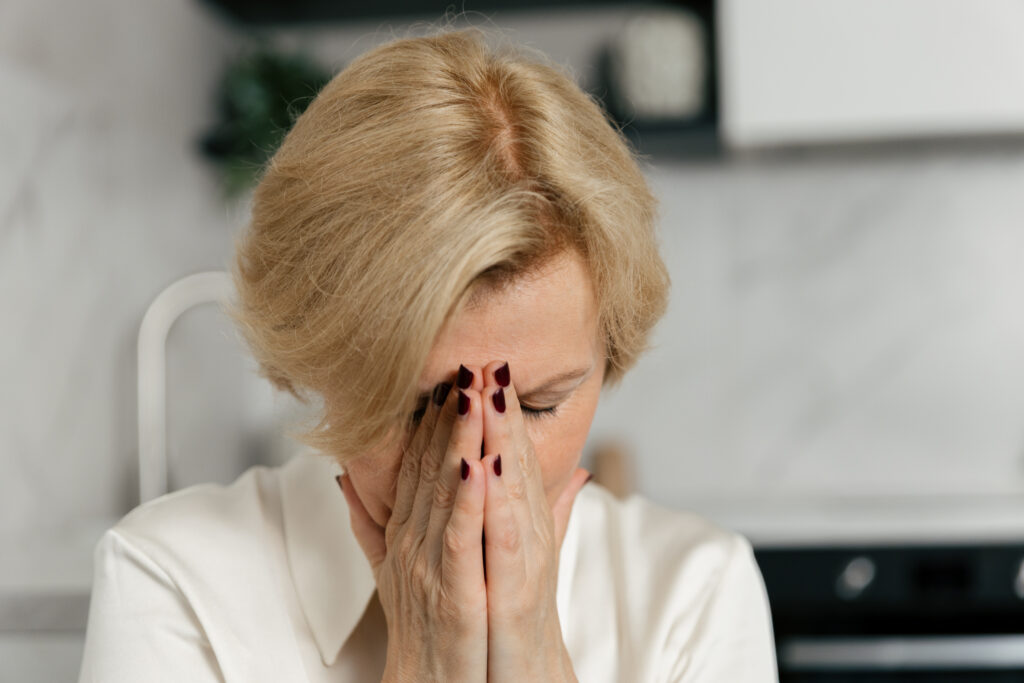
Mood and Emotional Changes Linked to PTSD
Trauma doesn’t just live in memory—it affects emotions, self-worth, and relationships. Many women with post traumatic stress disorder experience significant mood symptoms, including:
- Anxiety or panic
- Irritability or anger
- Depression or hopelessness
- Guilt or shame related to the trauma
These emotional shifts are often mistaken for other mental health conditions or dismissed as personality changes, delaying diagnosis and care.
Cognitive and Avoidance Symptoms in PTSD
In addition to emotional changes, PTSD can affect how women think and relate to the world. Avoidance symptoms may include withdrawing from loved ones, avoiding reminders of the trauma, or numbing emotions altogether.
Some women notice changes in beliefs about themselves or others—such as feeling unsafe everywhere, blaming themselves for what happened, or expecting constant danger. These cognitive patterns are common in traumatic stress disorder PTSD and can improve with the right therapeutic support.
PTSD and Co-Occurring Mental Health and Substance Use
Many women living with PTSD also struggle with other mental health problems, such as anxiety disorders or depression. For some, substance abuse becomes a way to cope with intrusive memories, emotional pain, or sleep disturbances.
While substances may offer temporary relief, they often worsen PTSD symptoms over time. Integrated treatment that addresses trauma and mental health together is essential for lasting recovery.
Why Women May Develop PTSD After Trauma
Women may develop PTSD after experiences that threaten safety, autonomy, or bodily integrity. Events like sexual assault, emotional abuse, or prolonged exposure to unsafe environments are particularly impactful.
Research supported by agencies within health and human services and the mental health services administrationshows that early intervention, trauma-informed care, and access to therapy significantly improve outcomes for women with PTSD.
Treating PTSD Symptoms with Compassionate Care
PTSD is a treatable mental health condition, and recovery does not require reliving trauma alone. Working with a qualified mental health professional can help women process trauma safely and regain a sense of control.
Effective approaches may include:
- Talk therapy in a safe, supportive environment
- Trauma-specific modalities such as cognitive processing therapy
- Group therapy that fosters connection and shared understanding
- Integrated care for trauma, mental health, and substance use
These methods help treat PTSD symptoms while strengthening coping skills and emotional resilience.
PTSD Treatment for Women at Casa Capri Recovery
At Casa Capri Recovery, we specialize in helping women heal from trauma, stress, and substance use through trauma-informed, women-centered care. Our programs are designed to address post traumatic stress disorder, co-occurring mental health challenges, and substance use together—because these issues are often deeply connected.
We provide therapy, community support, and holistic practices that help women feel safe in their bodies and grounded in their lives again.
Learn more about our women’s mental health and dual diagnosis treatment.

Begin Healing Today
Living with PTSD symptoms in women can feel exhausting and isolating—but healing is possible. Trauma does not define you, and support can make a meaningful difference.
Casa Capri Recovery offers a safe, compassionate space for women to process trauma, restore emotional balance, and build a healthier future. Whether PTSD is connected to a single traumatic event or years of accumulated stress, you deserve care that honors your experience.
Next Steps
If you’re struggling with addiction, you don’t have to face it alone. At Casa Capri, we offer expert, women-centered care in a supportive and nurturing space—designed by women, for women. Our team is here to help you heal with purpose and connection.
Call our admissions team for a free, confidential chat—we’ll even check your insurance and estimate any costs upfront.
FAQs About PTSD Symptoms in Women
Can physical or sexual assault lead to PTSD in women?
Yes. Physical or sexual assault is one of the most common causes of PTSD in women. These experiences are often sudden, overwhelming, and deeply violating, making it more likely for the nervous system to remain stuck in a trauma response. Many women develop PTSD symptoms after a single assault, while others may develop symptoms after repeated or prolonged abuse.
Can PTSD cause physical health problems over time?
Yes. Women with PTSD may develop physical health problems due to prolonged stress on the body. Chronic activation of the stress response can contribute to headaches, digestive issues, cardiovascular strain, chronic pain, and weakened immune function. Treating PTSD can improve both emotional well-being and long-term physical health.
Why do negative thoughts play such a big role in PTSD?
PTSD often involves persistent negative thoughts about oneself, others, or the world. After a traumatic event, negative thoughts like self-blame, shame, or “I’m not safe anywhere” can become deeply ingrained. These patterns are a core feature of PTSD and are addressed directly in trauma-focused therapies.
How are traumatic events and negative thoughts connected?
A traumatic event can disrupt how the brain processes memory and meaning. As a result, traumatic event negative thoughts—such as believing the trauma was your fault or that danger is everywhere—can become automatic. These thoughts can fuel anxiety, avoidance, and emotional numbness if left untreated.
Are ongoing negative emotions a sign of PTSD?
Yes. Ongoing negative emotions such as fear, guilt, shame, anger, or sadness are common PTSD symptoms. These emotions may feel constant or disproportionate to current situations and can interfere with relationships, work, and daily functioning.
Is PTSD considered a mental disorder?
Yes. PTSD is classified as a mental disorder, but it is important to understand that it is a normal response to abnormal or overwhelming experiences. Having PTSD does not mean you are weak—it means your nervous system is trying to protect you after trauma.
Do veterans and civilians experience PTSD differently?
PTSD affects both civilians and veterans. Organizations like Veterans Affairs have helped expand awareness and research around PTSD, particularly related to combat trauma. However, PTSD in women is often linked to interpersonal trauma such as assault or abuse, and symptoms can look similar even when the causes differ.
What is eye movement desensitization, and how does it help PTSD?
Eye movement desensitization (commonly known as EMDR) is a trauma-focused therapy that helps the brain reprocess traumatic memories so they become less emotionally overwhelming. This approach can reduce intrusive memories, emotional distress, and negative thought patterns associated with PTSD.
Why do people with PTSD have trouble sleeping?
Trouble sleeping is one of the most common PTSD symptoms. Nightmares, hypervigilance, anxiety, or fear of losing control can make it difficult to fall or stay asleep. Poor sleep can worsen PTSD symptoms, which is why trauma-informed treatment often includes sleep stabilization as part of recovery.
Where can women get help for PTSD symptoms?
Women experiencing PTSD symptoms can benefit from trauma-informed treatment that addresses mental health, physical symptoms, and substance use if present. At Casa Capri Recovery, we offer women-centered care designed to help clients heal from trauma in a safe, supportive environment—so they can move forward with stability, clarity, and hope.
How does the Mental Health Services Administration relate to PTSD care?
The Mental Health Services Administration supports national standards, research, and access to trauma-informed care for people living with PTSD and other mental disorders. Their guidance emphasizes early intervention, evidence-based therapies, and integrated treatment approaches that address both mental and physical health needs.