


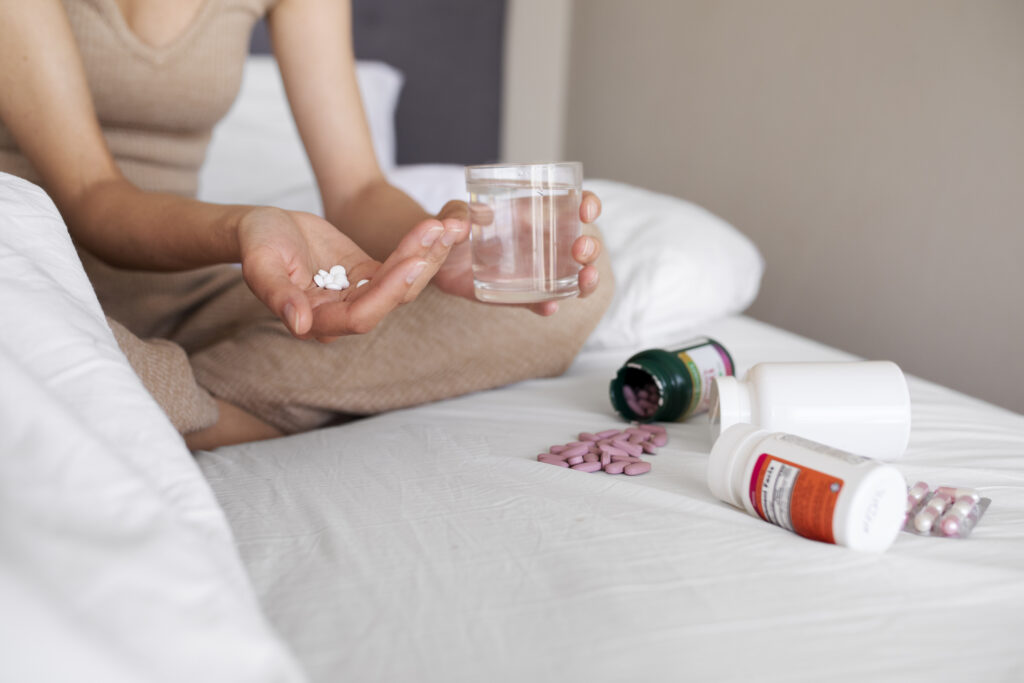
Prescription painkillers like hydrocodone and tramadol can be helpful in managing pain, but over time, they can lead to physical dependence that’s hard to break. For women, the detox process often involves added layers of complexity, from hormonal shifts to emotional stress and caregiving responsibilities. This guide is here to help you understand how painkiller detox works, what to expect, and how to take the first step toward recovery in a way that feels safe and sustainable.
Next Steps
If you’re struggling with addiction, you don’t have to face it alone. At Casa Capri, we offer expert, women-centered care in a supportive and nurturing space—designed by women, for women. Our team is here to help you heal with purpose and connection.
Call our admissions team for a free, confidential chat—we’ll even check your insurance and estimate any costs upfront.
Why Painkiller Detox Can Be Especially Challenging for Women
Women may face unique challenges when trying to detox from painkillers, including a stronger emotional response, co-occurring anxiety or depression, and increased sensitivity to physical symptoms. Hormonal fluctuations and the pressure of managing family or work responsibilities can add to the difficulty. These factors make a thoughtful, personalized detox plan even more important for women navigating recovery.
What Is Painkiller Detox, and When Should You Consider It?
Painkiller detox is the process of gradually reducing or stopping opioid medications like hydrocodone or tramadol. It becomes necessary when the medication is no longer effective, is being misused, or is causing harm to your health and quality of life. Detox should always be guided by a medical professional to reduce withdrawal risks and make the experience as manageable as possible.
How to Detox from Painkillers Safely
The safest way to detox from painkillers is through a gradual taper under medical supervision. A personalized plan helps reduce withdrawal symptoms and allows your body to adjust more gently. Supportive care during this process often includes proper hydration, balanced nutrition, rest, and therapy to manage cravings and emotional ups and downs. Detox isn’t just a physical reset. It’s also a chance to rebuild your well-being and take back control of your health.

What to Expect When Detoxing from Hydrocodone
Detoxing can lead to hydrocodone withdrawal symptoms such as sweating, muscle aches, nausea, anxiety, and sleep problems. These symptoms typically begin within six to 12 hours of the last dose and may peak in the first few days. For women, emotional symptoms like mood swings or fatigue may feel especially intense. A supportive hydrocodone detox plan can help manage discomfort and reduce the risk of relapse.
Tramadol Detox: What Women Should Know
Tramadol detox can bring both physical and emotional symptoms. Many women experience tramadol detox symptoms like restlessness, irritability, nausea, sweating, and sleep disturbances. Because tramadol also affects serotonin levels, withdrawal may involve mood swings or anxiety. Gradual tapering and professional support can ease symptoms and help prevent complications.
Can You Detox from Painkillers at Home?
Some women may be able to detox at home, especially with a mild or short-term prescription. But for those with long-term use or higher doses, home detox can be risky. If you’ve noticed any signs of addiction, you may also benefit from professional support. Without medical support, symptoms like severe cravings, anxiety, or sleep disruption can lead to relapse. Always talk to a provider before deciding whether home detox is the right choice.
What to Look for in a Painkiller Detox Program for Women
A good detox program should offer medical supervision, mental health support, and an environment where women feel safe. Look for centers that understand the emotional and physical effects of opioid withdrawal, especially for women with caregiving responsibilities or trauma history. Programs that offer therapy, peer connection, and aftercare planning often provide better long-term outcomes.
Next Steps
If you’re struggling with addiction, you don’t have to face it alone. At Casa Capri, we offer expert, women-centered care in a supportive and nurturing space—designed by women, for women. Our team is here to help you heal with purpose and connection.
Call our admissions team for a free, confidential chat—we’ll even check your insurance and estimate any costs upfront.
Life After Painkiller Detox: What Recovery Can Look Like
After medical detox, your body may be free from opioids, but healing continues. Many women benefit from therapy, support groups, or structured outpatient care. Rebuilding daily routines, addressing mental health, and learning new ways to manage stress are all part of recovery. This stage is where lasting change happens.
Why Women Trust Casa Capri Recovery for Painkiller Detox
At Casa Capri Recovery, we offer a safe and women-focused space to begin detox and recovery. Our team provides medical guidance, emotional support, and a program tailored to the specific needs of women. With trauma-informed care and a strong community approach, we’re here to help women move forward with confidence and clarity.
Frequently Asked Questions About Painkiller Detox for Women
How long does painkiller detox take?
Withdrawal symptoms typically begin within six to 12 hours of the last dose and can last about a week. Emotional symptoms or sleep issues may continue longer, depending on the medication and length of use.
What are common withdrawal symptoms?
Most women experience muscle aches, chills, anxiety, restlessness, nausea, and trouble sleeping. Cravings and mood swings are also common but manageable with support.
Can I detox from painkillers at home?
In some cases, yes. However, long-term or high-dose use should be managed by a medical professional to reduce health risks and avoid severe withdrawal symptoms.
Is detox from tramadol different from other opioids?
Yes, tramadol affects both opioid receptors and serotonin levels, so withdrawal can include both physical and emotional symptoms like mood swings or anxiety.
What support helps after detox?
Therapy, group support, regular sleep, nutrition, and structure all play a role in recovery. Many women also benefit from continued outpatient care or sober living environments.