

Women often carry emotional loads that no one else sees. These are the invisible responsibilities, identity shifts, hormonal transitions, and social expectations that shape every season of life. These layers can make addiction recovery harder for women than for men, not because women are less capable, but because they face unique emotional and relational pressures at different life stages.
Addiction is rarely just about substances. It’s often tied to stress, isolation, trauma, hormonal changes, or the overwhelming pressure to be everything for everyone. And depending on the season of life a woman is in, asking for help can feel complicated, inconvenient, or even impossible. Let’s look at how these life stages complicate things, and how to break through those barriers.
Next Steps
If you’re struggling with addiction, you don’t have to face it alone. At Casa Capri, we offer expert, women-centered care in a supportive and nurturing space—designed by women, for women. Our team is here to help you heal with purpose and connection.
Call our admissions team for a free, confidential chat—we’ll even check your insurance and estimate any costs upfront.
Early Adulthood Offers the Pressure to Prove Yourself
In a woman’s twenties and early thirties, addiction struggles often hide in plain sight. Work stress, social drinking, relationship instability, financial pressure, and the drive to perform adulthood well can blur the line between coping and spiraling. Many women in this stage believe they should be able to manage things on their own.
This is also the stage where shame shows up quickly. Admitting there’s a problem may feel like admitting failure. Sometimes women walk away from their religious beliefs for a season, and it feels even harder to return to it as well as get help. Seeking out recovery programs through a Christian drug rehab, for example, can be exactly what some women need to break free and come to the Lord. These centers offer structure, empathy, and a way back to Jesus that’s welcoming, kind, and shame-free.
Postpartum Becomes a Season of Emotional Upheaval That Complicates Recovery
The postpartum period is one of the most emotionally vulnerable stages of a woman’s life. Hormone swings, sleep deprivation, identity shifts, and the pressure to care for a newborn all create a perfect storm for emotional overwhelm. When addiction is already in the picture, or when substance misuse begins as a way to cope, the postpartum window can feel especially isolating.
Postpartum depression can complicate things even further. Many women suffer silently in the place between despair and joy, and drugs and alcohol can be an escape and a way to bridge the gap. Many women don’t realize how common postpartum depression is, or how tightly it can intertwine with substance use. They may feel guilty for struggling, terrified of judgment, or afraid of losing custody, which makes reaching out feel risky.
The postpartum season requires supportive, trauma-informed, women-centered treatment that understands the emotional complexity of new motherhood.
Motherhood in General and the Expectation to Be Fine
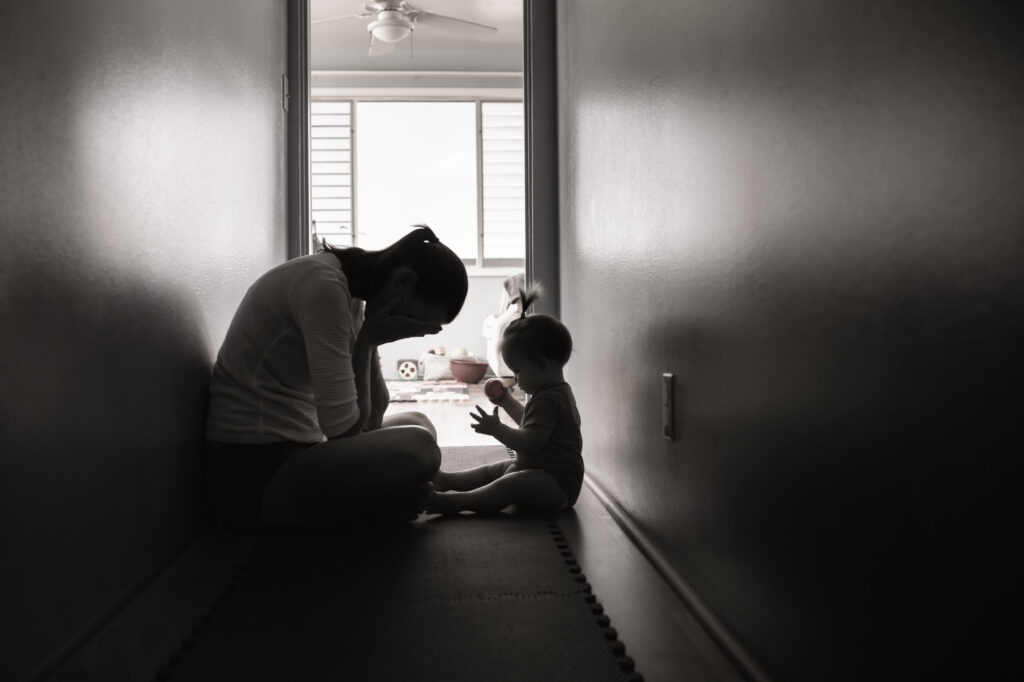
Whether a woman has one child or four, motherhood adds emotional demands that never fully disappear. Women often carry the mental load for the household, like remembering schedules, anticipating needs, managing conflicts, and making sure everyone else is okay. When addiction struggles surface, the fear of judgment and shame becomes amplified.
Mothers often tell themselves that the household can’t function without them or that they are a bad parent or that others might see them as unfit when they struggle. These fears create silence. And silence deepens isolation.
Treatment that focuses on emotional safety, family support, and flexible care models helps mothers recognize that asking for help isn’t a failure, it’s an act of protection for their children and themselves.
Midlife Creates Hormonal Shifts and Invisible Stressors That Push Women to Their Limits
Midlife brings a new set of challenges like perimenopause, changing relationships, aging parents, career shifts, and a lifetime of suppressed emotional needs. Many women feel like they’re holding everything together while quietly unraveling inside. Hormonal fluctuations can intensify anxiety, depression, irritability, and emotional numbness, often without an obvious external cause.
This stage can create a perfect storm for relapse or for the beginning of unhealthy coping behaviors. A woman who had everything under control in her thirties may suddenly feel like she’s falling apart in her forties.
Acknowledging these shifts is not weakness, it’s physiology. Treatment that integrates mind-body understanding, trauma awareness, and emotional connection can help women regain balance without feeling like they’re losing themselves.
Empty Nest Years Create Identity Crises, and Old Wounds Resurface
When children leave home, many women experience a surprising emotional crash. The daily structure of caregiving dissolves, and questions rise like: Who am I now? What is my purpose? What happens next?
Old trauma, loneliness, and unaddressed emotional pain can resurface during the empty nest years. Without a clear role, some women feel destabilized, and addiction can become a way to fill the void.
This stage calls for recovery approaches that focus on rediscovering identity, rebuilding purpose, and reconnecting with long-buried emotions. Women need environments where they can be honest about this transitional grief without feeling dramatic or dismissed.
Next Steps
If you’re struggling with addiction, you don’t have to face it alone. At Casa Capri, we offer expert, women-centered care in a supportive and nurturing space—designed by women, for women. Our team is here to help you heal with purpose and connection.
Call our admissions team for a free, confidential chat—we’ll even check your insurance and estimate any costs upfront.