

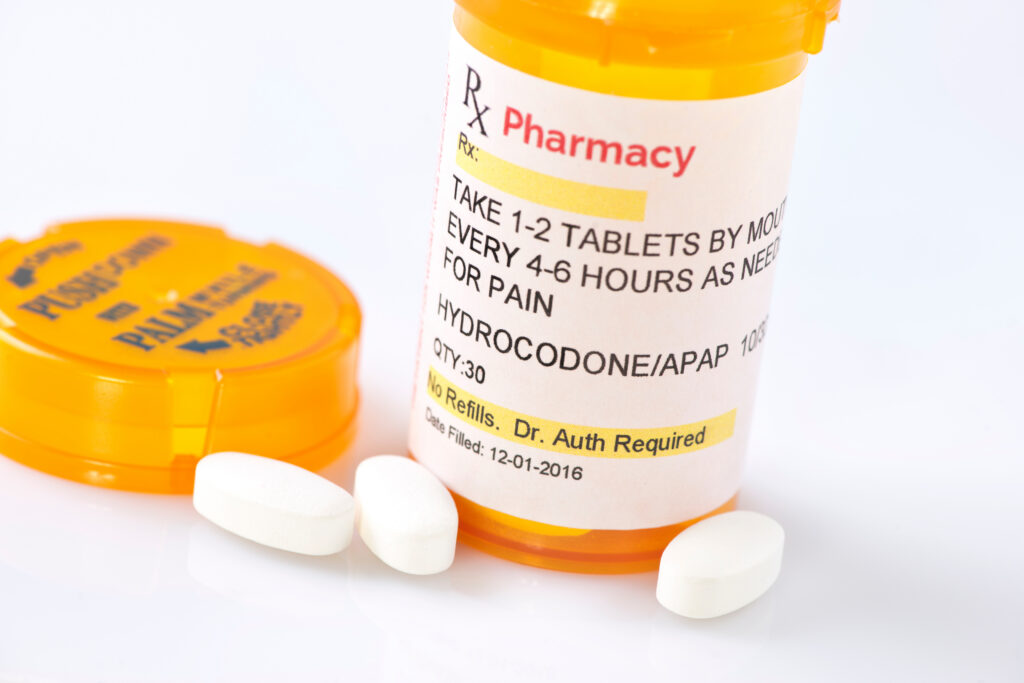
Quick Answer: Hydrocodone withdrawal symptoms are the physical and emotional effects that can happen when someone who has become dependent on hydrocodone suddenly stops or reduces their use. Symptoms may include nausea, sweating, anxiety, muscle aches, insomnia, diarrhea, chills, cravings, and flu-like discomfort.
Casa Capri Recovery helps women understand opioid withdrawal. Our opiate and opioid addiction treatment programs address the reasons hydrocodone use became difficult to control, and begin recovery with compassionate, women-focused care. If you or someone you love is struggling with hydrocodone, reach out to our admissions team today to talk confidentially about treatment options.
Next Steps
If you’re struggling with addiction, you don’t have to face it alone. At Casa Capri, we offer expert, women-centered care in a supportive and nurturing space—designed by women, for women. Our team is here to help you heal with purpose and connection.
Call our admissions team for a free, confidential chat—we’ll even check your insurance and estimate any costs upfront.
What Is Hydrocodone Withdrawal?
Symptoms of hydrocodone withdrawal are the body’s reaction to suddenly losing a drug it has adapted to over time. Hydrocodone is a prescription opioid used for pain, and opioids can lead to physical dependence when taken regularly, even when they were first prescribed for a legitimate medical reason.
Dependence does not always mean addiction, but it can make stopping feel extremely difficult. When hydrocodone use has become compulsive, hard to control, or tied to cravings and emotional distress, professional treatment may be needed.
What Are Common Hydrocodone Withdrawal Symptoms?
Common hydrocodone withdrawal symptoms include nausea, vomiting, diarrhea, sweating, chills, muscle aches, runny nose, watery eyes, yawning, restlessness, anxiety, insomnia, and strong cravings. These symptoms can feel like a severe case of the flu mixed with emotional distress.
Other withdrawal from hydrocodone symptoms for some women may also include irritability, fatigue, stomach cramping, hot and cold flashes, rapid heartbeat, and difficulty sitting still. The intensity can vary based on how long hydrocodone has been used, the dose, overall health, and whether other substances are involved.
When Do Hydrocodone Withdrawal Symptoms Start?
Hydrocodone withdrawal symptoms often begin within several hours to a day after the last dose, depending on the person’s use pattern and metabolism. Because hydrocodone is generally shorter-acting than some other opioids, symptoms may appear sooner than they would with longer-acting opioids.
Early symptoms may include anxiety, sweating, restlessness, body aches, trouble sleeping, and cravings. Digestive symptoms such as nausea, vomiting, and diarrhea may become more noticeable as withdrawal progresses.
How Long Does Hydrocodone Withdrawal Last?
The hydrocodone withdrawal symptoms timeline is different for everyone. However, withdrawal often lasts several days, but emotional symptoms and cravings can continue longer for some people. The most intense physical symptoms often peak after the first couple of days, then gradually improve as the body adjusts.
Even after the worst physical symptoms fade, sleep issues, mood swings, low motivation, anxiety, and cravings may remain. This is one reason detox alone is rarely enough for lasting recovery; ongoing therapy and relapse prevention support matter.
Is Hydrocodone Withdrawal Dangerous?
Withdrawal symptoms from hydrocodone are usually not life-threatening by themselves, but they can still become risky without medical support. Vomiting, diarrhea, dehydration, relapse, overdose risk, severe anxiety, and co-occurring mental health symptoms can make withdrawal unsafe to manage alone.
Relapse after a period of reduced opioid tolerance is especially dangerous because the body may no longer respond to the same dose the same way. NIDA (National Institute on Drug Abuse) notes that medications for opioid use disorder can help reduce opioid use, cravings, withdrawal symptoms, and overdose risk.
Why Is Quitting Hydrocodone So Difficult?
Quitting hydrocodone is difficult because opioids change how the brain and body respond to pain, stress, comfort, and reward. When use stops, the nervous system may feel overstimulated, leading to both physical discomfort and intense emotional distress.
For women, hydrocodone withdrawal symptoms may also intersect with trauma, caregiving pressure, shame, depression, anxiety, or fear of being judged. Our women-only approach is designed to create a safer space where clients can speak openly about these layers rather than trying to hide them.
Can You Detox From Hydrocodone at Home?
Detoxing from hydrocodone at home is not recommended when symptoms are severe, use has been long-term, or there is a history of relapse, overdose, or mental health concerns. Medical support can help monitor symptoms, reduce complications, and create a safer transition into treatment.
Professional detox may include symptom management, hydration support, monitoring, and clinical planning for the next stage of care. For some people, FDA-approved medications such as buprenorphine, methadone, naltrexone, or lofexidine may be part of opioid withdrawal or opioid use disorder treatment under medical supervision.
What Happens After Hydrocodone Detox?
After hydrocodone detox, the next step is treating the emotional, behavioral, and mental health factors connected to opioid use. Detox helps the body stabilize, but therapy helps a person understand triggers, rebuild coping skills, and prepare for life without returning to hydrocodone.
This may include individual therapy, group therapy, trauma-informed care, dual diagnosis treatment, relapse prevention, holistic support, and aftercare planning. Our women-only opioid rehab program in Orange County offers individualized treatment plans, evidence-based therapies, holistic approaches, dual diagnosis support, and a community designed around women’s recovery needs.
How Casa Capri Recovery Can Help With Hydrocodone Withdrawal Symptoms and Addiction
Casa Capri Recovery helps women struggling with hydrocodone addiction through compassionate, individualized care that addresses both substance use and the deeper issues that often come with it. Our program supports women facing opioid addiction, co-occurring mental health concerns, trauma, family stress, and the fear that recovery may feel out of reach.
We provide a women-only environment where clients can feel heard, supported, and understood. Our care may include inpatient and outpatient options, detoxification services when needed, gender-specific therapy, holistic care, parenting support, empowerment-focused treatment, and aftercare planning.
If hydrocodone withdrawal symptoms are keeping you or someone you love stuck in a cycle of stopping and starting again, we are here to help. Contact our admissions team today to speak confidentially, verify insurance, and take the next step toward recovery.
Next Steps
If you’re struggling with addiction, you don’t have to face it alone. At Casa Capri, we offer expert, women-centered care in a supportive and nurturing space—designed by women, for women. Our team is here to help you heal with purpose and connection.
Call our admissions team for a free, confidential chat—we’ll even check your insurance and estimate any costs upfront.
FAQs About Hydrocodone Withdrawal Symptoms
Can hydrocodone withdrawal cause panic attacks?
Yes, hydrocodone withdrawal can cause panic-like symptoms, including racing thoughts, chest tightness, restlessness, sweating, and intense fear. These symptoms can feel overwhelming, especially for women who already struggle with anxiety or trauma-related stress.
Can hydrocodone withdrawal symptoms come and go?
Yes, hydrocodone withdrawal symptoms can come in waves instead of improving in a straight line. A person may feel better for part of the day and then experience anxiety, chills, stomach discomfort, or cravings later.
What should I avoid during hydrocodone withdrawal?
During hydrocodone withdrawal, it is important to avoid alcohol, non-prescribed medications, and other substances used to “take the edge off.” Mixing substances can increase health risks and make it harder to safely stabilize.
Can hydrocodone withdrawal cause depression?
Yes, hydrocodone withdrawal can cause or worsen depression as the brain adjusts to lower opioid levels. If depression feels severe, includes hopelessness, or leads to thoughts of self-harm, immediate professional help is needed.
Are hydrocodone withdrawal symptoms l different for women?
Hydrocodone withdrawal symptoms can be physically similar for men and women, but women may face different emotional, hormonal, trauma-related, or caregiving challenges during recovery. At Casa Capri Recovery, we provide women-focused care that addresses these needs in a supportive environment.
When should someone get help for hydrocodone withdrawal symptoms?
Someone should get help if symptoms of hydrocodone withdrawal feel unmanageable, cravings are strong, relapse has happened before, or mental health symptoms are present. Professional support can make withdrawal safer and help create a stronger foundation for long-term recovery.