


24/7 Admissions | Call: (949) 749-5027
Pink wave graphic
Green leaf graphic
Resources on Addiction and Mental Health
Real talk, evidence-based information, and genuine support for women struggling with addiction and mental health.

How Alcohol Affects Your Body: What Really Happens When You Drink

a-woman-that-does-not-know-how-alcohol-affects-her-body

Understanding how alcohol affects your body is an important step in protecting your health and recognizing when drinking may be causing more harm than you realize. Many women use alcohol to relax, socialize, or cope with stress, but its effects go far beyond the temporary buzz. Alcohol influences nearly every system in your body, from your brain and heart to your liver, hormones, and emotional well-being. By learning what actually happens inside your body, you can make more informed choices and spot early signs of trouble. Casa Capri Recovery believes knowledge is a powerful part of healing, and we’re here to help you navigate these changes with compassion and support.

Next Steps

If you’re struggling with addiction, you don’t have to face it alone. At Casa Capri, we offer expert, women-centered care in a supportive and nurturing space—designed by women, for women. Our team is here to help you heal with purpose and connection.

Call our admissions team for a free, confidential chat—we’ll even check your insurance and estimate any costs upfront.

The Immediate Effects and How Alcohol Affects Your Body in the Short Term

Alcohol affects your body within minutes of your first sip. It moves quickly through your bloodstream and reaches your brain, slowing down communication between nerve cells. This is why you may feel relaxed, more social, or less inhibited at first. As your blood alcohol level rises, coordination, judgment, and reaction time decline. Even small amounts of alcohol can reduce focus and decision-making, which makes drinking and driving especially dangerous.

How Alcohol Affects Your Body and Brain Function

If you’re wondering how alcohol affects your body and brain, you may be surprised to know that it disrupts the signals your brain relies on to manage mood, memory, and movement. Over time, drinking can change the way your brain functions. You may notice problems with concentration, slower thinking, or difficulty recalling information. Alcohol also impacts the areas of the brain that regulate emotion, which can increase anxiety, irritability, or depression, especially as drinking becomes more frequent.

Alcohol Effects on the Heart and Circulation

While many women think alcohol “helps you relax,” it actually puts extra stress on your heart. Drinking raises your blood pressure and heart rate. Heavy or long-term alcohol use increases the risk of heart disease, irregular heartbeat, and weakened heart muscles. These issues can make your heart less effective at pumping blood, leading to fatigue, shortness of breath, or leg swelling.

How Alcohol Affects Your Body Through Liver Damage

Your liver is responsible for breaking down alcohol, but it can only process a limited amount at a time. When more alcohol enters your body than your liver can handle, harmful substances build up. Over time, this can lead to fatty liver disease, inflammation, or scarring of the liver tissue. Advanced liver damage can be life-threatening and may not show symptoms until it becomes severe.

a-woman-suffers-from-digestive- disorders-due-to-alcohol-drinking

Alcohol and the Digestive System

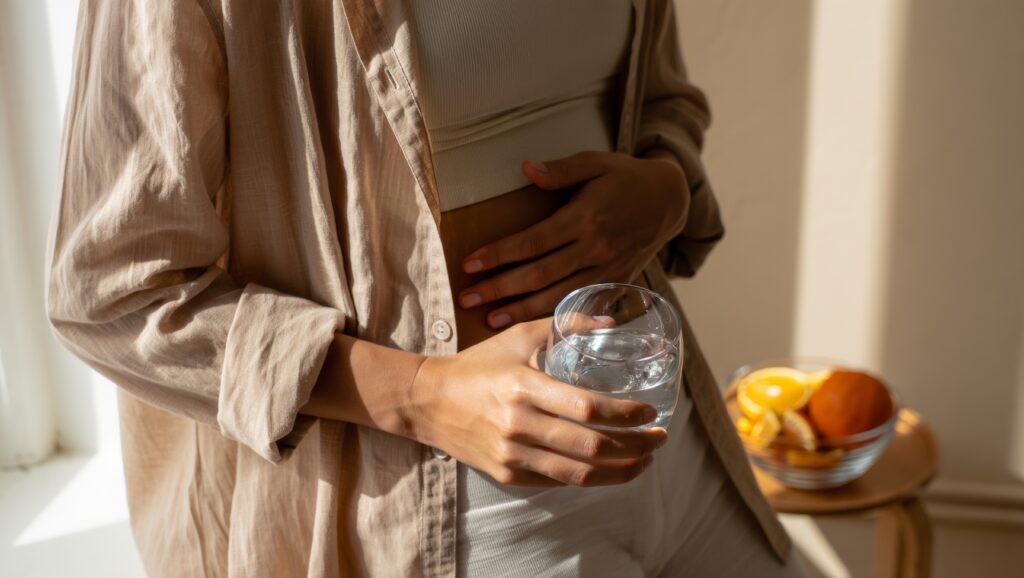
Alcohol irritates the stomach lining, which can cause nausea, vomiting, or digestive discomfort. It also interferes with nutrient absorption, potentially leading to vitamin deficiencies. Chronic alcohol use increases the risk of ulcers, pancreatitis, and serious digestive disorders. These conditions can affect your appetite, energy levels, and overall health.

Alcohol’s Impact on the Immune System

Alcohol weakens your immune defenses by slowing down the cells that protect against illness. This makes you more vulnerable to infections such as pneumonia, colds, or respiratory issues. Long-term alcohol use also reduces your body’s ability to heal from injuries or recover from sickness.

Hormonal Changes and Long-Term Health Effects of Drinking Alcohol

We get many questions about how alcohol affects your body over the long haul. Alcohol disrupts hormones that control metabolism, stress response, and reproductive health. In women, this may cause irregular periods, fertility challenges, or early menopause symptoms. In men, alcohol can lower testosterone levels and lead to sexual dysfunction. Over time, hormonal imbalances can affect weight, muscle mass, and mood.

Emotional and Behavioral Consequences

It’s clear that alcohol affects your body, but it also impacts your emotional well-being. Regular drinking can worsen anxiety, heighten stress, and increase feelings of sadness or hopelessness. Many women also struggle with sleep issues, which feed into emotional distress. These effects often create a cycle where alcohol is used to cope, even though it worsens symptoms.

Recognizing When Alcohol Use Becomes Harmful

Not everyone who drinks develops a problem, but some women struggle to recognize when their drinking has crossed into unhealthy territory. Warning signs include drinking more than intended, hiding alcohol use, missing responsibilities, or feeling unable to cut back. Physical symptoms, such as shakiness, sweating, or trouble sleeping, may also appear when someone stops drinking. If you’re having these experiences or have more questions like, “How can alcohol affect your body?” consider seeking alcohol rehab or support to get answers at Casa Capri Recovery today.


two women shaking hands

Getting Support at Casa Capri Recovery

If alcohol is affecting your health or daily life, you don’t have to face it alone. Casa Capri Recovery detox center offers compassionate, evidence-based treatment designed specifically for women. Our team helps you understand the impact alcohol has on your body and supports you through every stage of healing. With personalized care and a nurturing environment, we help you rebuild your health and confidence.

Understanding How Alcohol Affects Your Body Matters

Understanding how alcohol affects your body can help you recognize changes in your health, mood, and daily life before they become overwhelming. Alcohol’s impact builds over time, and many women don’t notice the warning signs until they start feeling unwell or unable to manage drinking on their own. The good news is that your body can begin to heal once alcohol use stops, and with the right support, recovery is completely possible.

If you’re still asking the question, “How does alcohol affect your body?” contact Casa Capri Recovery. Our qualified clinicians can answer all your questions. We can also provide a safe, nurturing environment where women can restore their physical health, rebuild confidence, and create a stronger future. If you’re concerned about your drinking (or someone you love) reaching out for help is a powerful first step toward change.

Call Casa Capri Recovery today to speak with a caring specialist and start your path toward healing.

Next Steps

If you’re struggling with addiction, you don’t have to face it alone. At Casa Capri, we offer expert, women-centered care in a supportive and nurturing space—designed by women, for women. Our team is here to help you heal with purpose and connection.

Call our admissions team for a free, confidential chat—we’ll even check your insurance and estimate any costs upfront.

FAQs About How Alcohol Affects Your Body

How does alcohol affect your metabolism?

Drinking alcohol slows down your metabolism because your body prioritizes breaking down alcohol before processing food. This can lead to weight gain, low energy, and changes in blood sugar levels. Over time, your body may struggle to regulate hunger and store nutrients properly.

Yes. Alcohol dehydrates your skin, making it look dry, dull, or irritated. It also widens blood vessels, which may cause redness in the face. Over time, heavy drinking can increase acne, worsen eczema, or lead to premature aging.

How alcohol affects your body during sleep is important to understand for a whole, healthy lifestyle. The reality is, alcohol may make you fall asleep faster, but it disrupts the deeper stages of sleep your body needs to recover. This can lead to waking up often, feeling tired in the morning, and having difficulty focusing during the day.

Alcohol can interfere with hormone production in the glands that regulate stress, growth, reproduction, and metabolism. Over time, this may cause irregular periods, low libido, mood swings, or changes in appetite and weight.

Yes. Long-term drinking can interfere with calcium absorption and affect the hormones that keep your bones strong. This may increase your risk of fractures, bone loss, or osteoporosis later in life.

Alcohol can change how your body absorbs or breaks down certain medications. Mixing alcohol with prescription drugs, over-the-counter medicines, or herbal supplements can be dangerous and may lead to side effects such as dizziness, bleeding, or liver damage.

Heavy or persistent drinking can damage the nerves in your hands, feet, or legs. This condition, sometimes called alcoholic neuropathy, may cause numbness, tingling, burning sensations, or muscle weakness.

Alcohol can cause sudden drops or spikes in blood sugar. This is especially risky for women with diabetes, but anyone may experience shakiness, sweating, or dizziness when blood sugar changes rapidly.

Some women have genetic differences that make it harder for their bodies to break down alcohol. This can lead to flushing, nausea, headaches, or a rapid heartbeat, even after just one drink.

Featured Posts