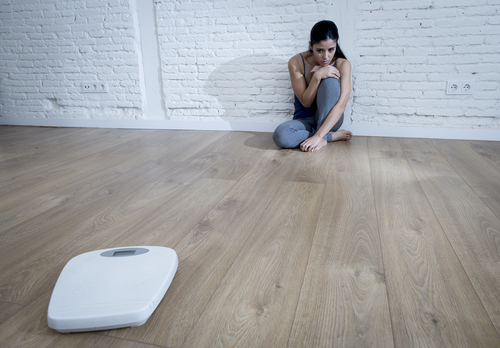



Alcohol is commonly used to relax or unwind, but its influence on emotional well-being is more serious than many women realize. That’s why understanding how alcohol affects mental health is so important. While drinking it may bring short-term comfort, it can harm mood, stress levels, and long-term mental stability. Casa Capri Recovery helps women understand these impacts and begin healing in a supportive, compassionate environment.
Next Steps
If you’re struggling with addiction, you don’t have to face it alone. At Casa Capri, we offer expert, women-centered care in a supportive and nurturing space—designed by women, for women. Our team is here to help you heal with purpose and connection.
Call our admissions team for a free, confidential chat—we’ll even check your insurance and estimate any costs upfront.
How Alcohol Affects Mental Health: The Brain and Emotional Balance
Alcohol changes how the brain communicates, slowing the central nervous system and altering mood-regulating chemicals like dopamine and serotonin. When these chemicals shift, you may experience mood swings, irritability, lower motivation, and difficulty managing emotions. Over time, these changes can make everyday stress harder to handle.
How Alcohol Affects Mental Health by Increasing Anxiety
Many women drink to relieve anxiety, but alcohol often amplifies anxious feelings. While it may temporarily calm nerves, the brain rebounds with stronger stress signals as the alcohol wears off. This can lead to:
- Heightened worry
- Restlessness
- Physical tension
- Panic-like symptoms
This cycle (drinking to calm nerves, then feeling even more anxious) is one of the most common early signs of alcohol-related emotional distress and an important part of identifying how alcohol affects mental health.
How Alcohol Affects Mental Health and Deepens Depression
When addressing the question, does alcohol affect mental health, many women might not realize that it can cause depression. This is because alcohol is a depressant, meaning it slows down brain activity responsible for emotional balance. Regular drinking may increase sadness, numbness, or hopelessness. Some women also experience:
- Loss of interest in activities
- Disrupted sleep or appetite
- Difficulty concentrating
-
Low self-esteem
For many, alcohol becomes a short-term escape that worsens long-term depression, which is another reason assessing how alcohol can affect your mental health is so critical for early treatment or intervention.
How Alcohol Affects Mental Health Through Sleep Disruptions
How does alcohol affect your mental health in terms of sleep? You might think alcohol may make someone fall asleep quickly, but it harms deep, restorative sleep. Poor sleep contributes to irritability, mood instability, low energy, and reduced stress tolerance, creating a cycle that can intensify mental health challenges.
Alcohol and Stress: Why Drinking Makes Coping Harder
Many people turn to alcohol during stressful moments, but it actually weakens the brain’s natural ability to handle stress. Over time, daily responsibilities may feel overwhelming, leading to more drinking and emotional exhaustion. Breaking this pattern often requires healthier coping strategies and professional support.
Alcohol, Trauma, and Emotional Triggers in Women
For women with a history of trauma, alcohol may feel like a way to numb painful memories. However, lowered inhibitions and heightened emotional sensitivity can make those emotions even more intense. This can lead to impulsive behaviors, emotional outbursts, or feelings of regret. Trauma healing requires care, structure, and guided support—not alcohol.
Signs Alcohol Is Affecting Your Mental Health
So, how does alcohol affect mental health long-term? And what are the signs to look for? You may need support if alcohol begins interfering with your emotional stability or daily functioning.
Common signs include:
- Drinking more than intended
- Feeling guilt or shame about drinking
- Relying on alcohol to manage emotions
- Worsening depression or anxiety
- Trouble concentrating or staying motivated
These signals show that alcohol may be impacting your mental well-being more than you realize.
Treatment for Alcohol and Mental Health Issues at Casa Capri Recovery
Casa Capri Recovery provides a safe, nurturing treatment experience designed specifically for women. Our team specializes in dual diagnosis care, addressing both alcohol use and the underlying emotional or psychological challenges. Our comprehensive alcohol rehab programs for women offer:
- Trauma-informed therapy
- Mental health and addiction treatment
- Dual diagnosis treatment
- Holistic wellness and stress-reduction practices
- A supportive, compassionate community
Our goal is to help women understand how alcohol affects mental health and rebuild confidence, stability, and long-term wellness.
Begin Healing Today
If you feel alcohol is affecting your mental health, you are not alone. Recovery begins with understanding what you’re facing and reaching out for the right support. Casa Capri Recovery is here to help you start a healthier, more hopeful chapter. Contact our team today to learn how we can guide you toward lasting healing.
Next Steps
If you’re struggling with addiction, you don’t have to face it alone. At Casa Capri, we offer expert, women-centered care in a supportive and nurturing space—designed by women, for women. Our team is here to help you heal with purpose and connection.
Call our admissions team for a free, confidential chat—we’ll even check your insurance and estimate any costs upfront.
FAQs About How Alcohol Affects Mental Health
Does alcohol affect mental health even if I only drink on weekends?
Yes. Even occasional heavy drinking can disrupt mood, sleep, stress hormones, and emotional balance. Weekend binge drinking can still raise the risk of anxiety, depression, and irritability during the days that follow.
Can alcohol make existing mental health conditions worse?
Absolutely. Conditions such as PTSD, bipolar disorder, anxiety disorders, and depression often become more difficult to manage when alcohol is involved. Drinking can interfere with medications, reduce emotional stability, and increase mood swings.
Why do I feel more emotional or sensitive after drinking?
Alcohol lowers inhibitions but heightens emotional reactivity. As alcohol leaves the system, the brain overcompensates, creating stronger emotional responses such as sadness, anger, or anxiety.
Can alcohol change how I respond to stress long-term?
Yes. Long-term drinking can weaken the brain’s stress-response system, making everyday challenges feel more overwhelming. This can lead to greater emotional fatigue and lower resilience.
How does alcohol affect memory and concentration?
Alcohol can impair short-term memory and slow down thinking. Over time, heavy drinking may also affect the parts of the brain that control focus, decision-making, and learning.
Is alcohol-related anxiety the same as a panic disorder?
Not exactly. Alcohol-induced anxiety happens as the brain tries to rebalance after drinking, but it can mimic panic symptoms. However, long-term alcohol use may increase the risk of developing a true panic disorder.
Why do some people experience irritability or anger when they drink?
Alcohol changes impulse control and emotional regulation. This makes it harder to manage frustration, leading some individuals to become more reactive, defensive, or irritable than usual.
Can alcohol use lead to long-term mood disorders?
Yes. Chronic drinking can contribute to lasting depression or anxiety, even after someone stops drinking. The brain may take time to heal, which is why professional treatment and support are often important.
Is it normal to feel depressed the day after drinking?
Yes. Many people experience “alcohol-induced depression” due to chemical changes in the brain, disrupted sleep, dehydration, and increased stress hormones. These feelings can worsen with repeated drinking.
How can I tell if my mental health symptoms are caused by alcohol or something else?
A mental health professional can help evaluate whether your symptoms are related to drinking, another condition, or both. Tracking your mood on days you drink versus days you don’t can also reveal patterns that may help you understand how alcohol affects mental health and wellness.