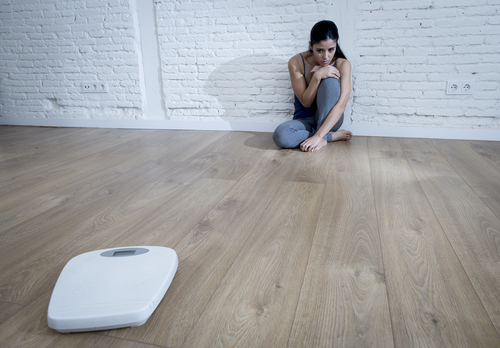



Quick Answer: Does eating disorder recovery happen in a straight line? Usually, no. Recovery can involve rebuilding physical health, changing eating disorder behaviors, and developing a more stable relationship with food and body image, with progress and setbacks along the way. Casa Capri Recovery provides women-centered eating disorder treatment in Southern California for those who need additional support during recovery.

Next Steps
Meet Hanna McAlister, our Director of Nutrition and Eating Disorder Services. With over 10 years of experience, Hanna is a lead at our program. For yourself or a loved one, Hanna can give feedback, advice, and more when it comes to eating disorder treatment, in-person or online.
What Does Eating Disorder Recovery Actually Look Like?
Eating disorder recovery can look different from one woman to another, but it usually involves changes in physical health, eating behaviors, thoughts, emotions, and everyday life. One person may become physically more stable before food feels less frightening, while another may notice emotional changes before certain behaviors become easier to interrupt.
That is why eating disorder recovery is difficult to measure with one number or milestone. Research increasingly describes it as an ongoing process that can include periods of progress, difficulty, and renewed support rather than one clear point when someone suddenly becomes “recovered.”
What Areas of Eating Disorder Recovery Can Change Over Time?
If you’re wondering what eating disorder recovery involves, progress spans several areas, with gradual changes that don’t always happen at the same pace. Someone may become medically more stable before food feels less frightening, while emotional and body image concerns may take longer to shift.
Recovery may involve:
- Medical and nutritional stability: Restoring more consistent nutrition and addressing physical complications linked to the eating disorder.
- Reducing eating disorder behaviors: Decreasing restriction, bingeing, purging, compulsive exercise, or other behaviors that interfere with health.
- More consistent eating: Following a steadier meal pattern and becoming less dependent on rigid food rules or avoidance.
- Greater emotional regulation: Building other ways to respond to anxiety, shame, trauma, or distress without relying as heavily on eating disorder behaviors.
- Less food and body preoccupation: Experiencing fewer intrusive thoughts about calories, weight, shape, or the need to control eating.
- Rebuilding daily life: Returning to relationships, work, school, hobbies, travel, and social situations that the eating disorder may have narrowed.
What Are Signs That Eating Disorder Recovery Is Working?
Signs of recovery often show up in everyday situations rather than dramatic changes. You may notice:
- Meals feel less consuming: Eating requires less planning, fear, or mental preparation.
- Food feels more flexible: Unfamiliar foods or changes in routine become easier to manage.
- Body image thoughts have less power: A difficult thought may still come up without controlling the rest of the day.
- Urges are easier to interrupt: You may recognize an urge to restrict, binge, purge, or compensate without automatically acting on it.
- You ask for support sooner: Difficult moments become something you can talk about instead of hiding.
- Setbacks are easier to respond to: You return to your treatment plan more quickly after a hard day.

Why Can Recovery Feel Hard Even When You Are Making Progress?
Recovery can feel difficult because changing a behavior does not always make the thoughts behind it disappear immediately. You might be eating more consistently while still feeling anxious around meals, or following your treatment plan while struggling with body image or the urge to return to familiar behaviors around food.
Those experiences do not automatically mean recovery has stopped. Eating disorders can become deeply connected with routines, coping, identity, anxiety, or trauma, so learning new ways to respond often takes repetition and support. Casa Capri Recovery also explores the nuances of progress as well as how potential trauma and eating disorders can overlap for some women.
Are Setbacks Normal in Eating Disorder Recovery?
Yes. Setbacks can happen during eating disorder recovery, and they do not automatically mean you are back where you started. Old thoughts or behaviors may become stronger during stress, relationship problems, major life changes, body changes, grief, or other emotionally difficult periods.
What matters is what happens next. Returning to food rules, restriction, bingeing, purging, or other behaviors more often can signal that you need additional support, and responding earlier can make it easier to interrupt the pattern before it becomes more established.
How Do You Know When a Setback Needs More Support?
A setback deserves more attention when eating disorder thoughts or behaviors begin becoming frequent, harder to interrupt, or disruptive to everyday life. You may notice yourself skipping meals again, avoiding certain foods, withdrawing socially, hiding behaviors, becoming increasingly preoccupied with your body, or feeling that the eating disorder is gaining more influence over your choices.
You do not have to wait for symptoms to become as severe as they once were. If you are unsure whether what you are noticing requires additional care, Casa Capri’s guide on when to seek professional help for an eating disorder explains when changes in eating and daily functioning may deserve a closer look.
How Long Does Eating Disorder Recovery Take?
There is no single eating disorder recovery timeline. Recovery may take months or years, depending on the eating disorder, how long symptoms have been present, physical and mental health needs, life circumstances, and the type of support available.
The timeline can also change along the way. Someone may need intensive support early in recovery and greater independence later, while another person may need to return to a more structured level of care during a difficult period. The goal is to match support to what is happening now rather than measuring recovery against someone else’s schedule.
What Kind of Support Helps During Eating Disorder Recovery?
Eating disorder recovery often involves a mix of nutritional, medical, and psychological support, and the right level of care can change over time. Some women may need more structure through residential treatment, while others may continue recovery through outpatient or virtual care as they become more stable.
Casa Capri Recovery provides individualized eating disorder treatment in Southern California for women who are looking for support that includes nutrition care, individual and group therapy, structured meals, family involvement, and treatment for related mental health concerns. Care can adjust as needs change, whether a woman is beginning treatment, returning home with structured support after a higher level of care, or noticing that old behaviors are becoming harder to manage.
Next Steps
Meet Hanna McAlister, our Director of Nutrition and Eating Disorder Services. With over 10 years of experience, Hanna is a lead at our program. For yourself or a loved one, Hanna can give feedback, advice, and more when it comes to eating disorder treatment, in-person or online.
FAQs: Does Eating Disorder Recovery Happen in Stages?
Can you fully recover from an eating disorder?
Yes, meaningful and full recovery from an eating disorder is possible, although people may define recovery differently. Full rehabilitation often involves physical stability, freedom from eating disorder behaviors, and a much less distressing relationship with food and body image.
Does having eating disorder thoughts mean you are not recovered?
Not necessarily. Some people continue experiencing occasional difficult thoughts or triggers even after their behaviors and daily life have changed significantly, so recovery is better understood by looking at the whole pattern rather than one thought.
Can stress cause eating disorder symptoms to come back?
Stress can make old thoughts or behaviors more tempting, especially if the eating disorder previously served as a way to cope with difficult emotions. Recognizing those changes early and reconnecting with support can help prevent a temporary setback from becoming more established.
What is the difference between a setback and a relapse?
A setback may involve a brief return of old thoughts or behaviors, while relapse generally describes a more sustained return of the eating disorder pattern. You don’t need to decide which label fits before reaching out for help, especially if symptoms are becoming harder to interrupt.
Can you need treatment again after eating disorder recovery?
Yes. Returning to treatment or increasing support can be appropriate if symptoms become more frequent, physical health changes, or everyday life becomes harder to manage. Needing additional care does not erase previous progress.
How can family members support eating disorder recovery?
Family members can help by listening without judgment, avoiding comments about weight or appearance, supporting treatment recommendations, and noticing changes without turning every meal into a confrontation. Professional guidance can also help families understand what kind of support is most useful at different points in recovery.