

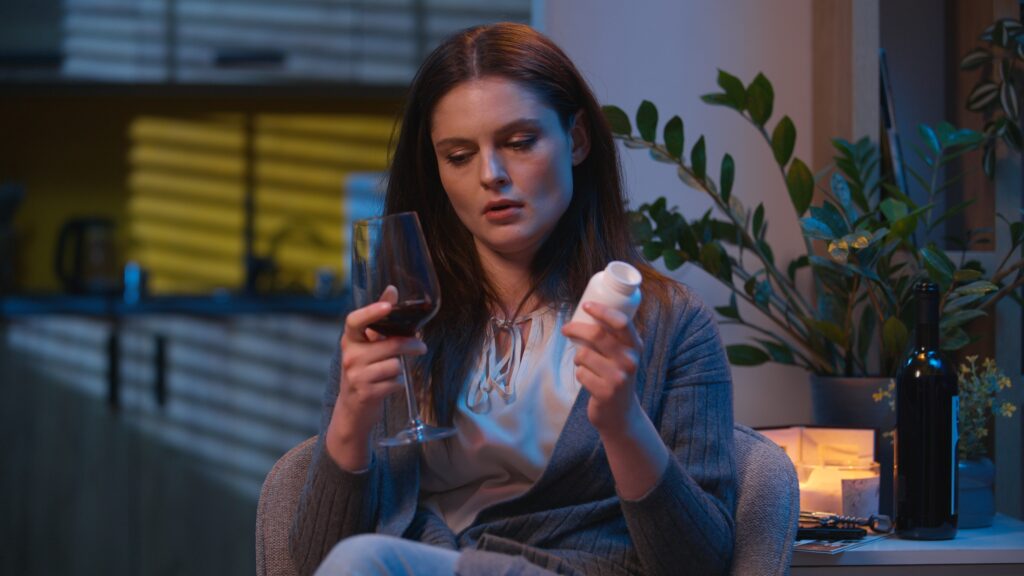
Can you mix alcohol and antibiotics? It’s a question we get often here at Casa Capri Recovery. The reality is, mixing alcohol and antibiotics is a common concern, especially when you’re not feeling well and wondering if one drink could make your symptoms worse. While some antibiotics have severe reactions with alcohol, others may cause mild or no direct interactions. Still, drinking can slow healing, worsen side effects, and increase risks. This guide explains what you need to know to stay safe and support your recovery.
Next Steps
If you’re struggling with addiction, you don’t have to face it alone. At Casa Capri, we offer expert, women-centered care in a supportive and nurturing space—designed by women, for women. Our team is here to help you heal with purpose and connection.
Call our admissions team for a free, confidential chat—we’ll even check your insurance and estimate any costs upfront.
Understanding the Risks: Can You Mix Alcohol and Antibiotics?
Mixing alcohol and antibiotics because alcohol puts extra stress on your body at a time when your immune system is already working hard. Even if your specific medication doesn’t trigger a dangerous interaction, drinking can weaken your defenses, cause dehydration, and intensify symptoms like dizziness, nausea, and fatigue. These combined effects can delay your recovery and interfere with how well your antibiotic works.
Antibiotics That Require Strict Avoidance: Can You Mix Alcohol and Antibiotics with These?
When you mix alcohol and antibiotics of a certain type, it could cause specific adverse reactions. These reactions, often called “disulfiram-like reactions,” can be painful and sometimes dangerous. Symptoms may include flushing, vomiting, rapid heartbeat, headaches, chest pain, and a sudden drop in blood pressure.
Common Antibiotics with Severe Reactions
- Metronidazole (Flagyl)
- Tinidazole (Tindamax)
- Cefotetan
- Cefoperazone
With these medications, even small amounts of alcohol can cause intense symptoms. Most healthcare providers recommend avoiding alcohol during treatment and for at least 48–72 hours after your final dose.
Milder Interactions When Mixing Alcohol and Antibiotics
If you mix antibiotics and alcohol sometimes, it may not cause a direct chemical reaction, especially with certain types of milder antibiotics. However, drinking can still make your medication less effective or worsen side effects.
Examples of Antibiotics with Mild or No Direct Interaction
- Amoxicillin
- Azithromycin
- Doxycycline
- Penicillin
- Cephalexin
Even with these medications, alcohol can intensify stomach upset, dizziness, or fatigue. Avoiding alcohol until you feel better gives your body the best chance to heal.
How Alcohol Slows Your Recovery
Alcohol can weaken your immune system, cause dehydration, and increase inflammation, all of which can delay recovery from infection. If your antibiotic already causes nausea or stomach irritation, drinking may make those symptoms significantly worse.
When You Should Call Your Doctor

Reach out to your doctor or pharmacist if you’re unsure about drinking while taking your prescription. You should also seek medical help and get clear answers to the question, can you mix alcohol and antibiotics, if you experience:
- Flushing or rapid heartbeat after drinking
- Severe nausea or vomiting
- Chest pain or dizziness
- Difficulty breathing
These symptoms may indicate a serious reaction.
When Drinking Becomes Hard to Control
If you find it difficult to avoid alcohol (even when you’re sick or taking medication), this may signal a deeper struggle. Feeling cravings, drinking to cope, or ignoring health risks may be signs of an alcohol use disorder. Reaching out for help or committing to a solid alcohol rehab program is a strong and positive step.

Final Thoughts: Can You Mix Alcohol And Antibiotics?
We hope this guide fully answers your question, “Do antibiotics and alcohol mix?” In truth, mixing alcohol with antibiotics can create unnecessary risks, slow down your healing, and make symptoms harder to manage. While some medications cause dangerous reactions, others can still lose effectiveness when combined with alcohol. The safest choice is to avoid drinking until your illness has passed and your treatment is complete.
If you’ve noticed that cutting back on alcohol is challenging, or if alcohol has become a regular way of coping, it may be time to reach out for support. Our highly acclaimed detox center at Casa Capri Recovery extends authentic compassion, understanding, and evidence-based care designed for women. You deserve to feel better, heal fully, and move forward with confidence.
Next Steps
If you’re struggling with addiction, you don’t have to face it alone. At Casa Capri, we offer expert, women-centered care in a supportive and nurturing space—designed by women, for women. Our team is here to help you heal with purpose and connection.
Call our admissions team for a free, confidential chat—we’ll even check your insurance and estimate any costs upfront.
FAQs: Can You Mix Alcohol and Antibiotics?
Can I drink alcohol after I finish my antibiotics?
It depends on the medication. Some antibiotics require you to wait 48–72 hours after your last dose before drinking to prevent delayed reactions. Always check your prescription instructions or ask your doctor for guidance.
Does alcohol make antibiotics completely ineffective?
Alcohol doesn’t usually stop an antibiotic from working, but it can weaken your immune system and slow your recovery. This can make it harder for your body to respond to treatment.
Is it safe to drink alcohol with topical or skin-applied antibiotics?
Topical antibiotics typically don’t interact with alcohol the same way oral medications do. However, because alcohol can weaken the immune system, it may still slow healing in some cases.
Can light drinking, like one glass of wine, still cause side effects?
Yes. Even small amounts of alcohol can intensify nausea, dizziness, or fatigue that some antibiotics already cause. For medications known to cause strong reactions, even one drink can be dangerous.
Does mixing alcohol and antibiotics affect liver health?
Some antibiotics are processed through the liver, similar to alcohol. Drinking while taking these medications may increase stress on the liver and raise the risk of irritation or damage.
Can alcohol worsen the infection I’m treating?
Yes. Alcohol can weaken your immune system and increase inflammation, making it harder for your body to fight off infection. This may prolong symptoms and delay recovery.
Is it safe to drink if I accidentally miss a dose of antibiotics?
No. Even if you miss a dose, the medication remains in your system. Drinking can increase side effects or interfere with healing. Avoid alcohol until you’ve completed treatment and feel well again.
What should I do if I drank alcohol before realizing my antibiotic has interactions?
If you develop symptoms like flushing, nausea, vomiting, dizziness, rapid heartbeat, or chest pain, seek medical attention right away. If no symptoms appear, avoid drinking again and contact your doctor for further direction.
Are there antibiotics that are completely safe to mix with alcohol?
Some antibiotics don’t have a known chemical reaction with alcohol, but that doesn’t mean mixing them is risk-free. So, while the answer to the question, can you mix alcohol and antibiotics that may not cause reactions, might be possible, please know that alcohol can still increase side effects and slow healing. Therefore, most providers recommend avoiding it during treatment.
Can you mix alcohol and antibiotics while taking probiotics, too?
Probiotics do not change how alcohol interacts with antibiotics. While probiotics may help support gut health, alcohol can still worsen side effects and interfere with recovery.