

Your mind locks onto that feeling and won’t let go. You replay it, track it closely, and start Googling for answers. You wonder if this time it’s serious. You look for reassurance or quietly try to calm yourself down, even as you keep going on the outside. The frustration manifests as irritability, leaving you feeling heavy and physically exhausted. Sometimes it escalates into panic that makes you want to crawl out of your own body. If this sounds familiar, you’re not imagining it. These are common anxiety symptoms in women, especially when stress, pressure, or past experiences have been carried for a long time. This article seeks to elaborate on the signs and symptoms of anxiety in women and talks about how to get support.
Next Steps
If you’re struggling with addiction, you don’t have to face it alone. At Casa Capri, we offer expert, women-centered care in a supportive and nurturing space—designed by women, for women. Our team is here to help you heal with purpose and connection.
Call our admissions team for a free, confidential chat—we’ll even check your insurance and estimate any costs upfront.
What Does Anxiety Feel Like for Women?
Anxiety normally feels like carrying a low-level tension that never fully turns off. Your body stays alert, even when you want to rest. You may feel keyed up, emotionally sensitive, or worn down in a way that’s hard to explain.
Over time, this constant readiness can leave you feeling disconnected from ease or safety, even in moments that should feel calm. This isn’t weakness or overreaction; it’s a nervous system shaped by stress, responsibility, and experiences that haven’t had space to settle.
Signs and Symptoms of Anxiety in Women
Constant Worry That’s Hard to Turn Off
One of the common symptoms of anxiety in women is that the mind may replay conversations, anticipate problems, or fixate on things that can’t be controlled. Even when you try to relax, the worry keeps running in the background.
Physical Tension or Restlessness
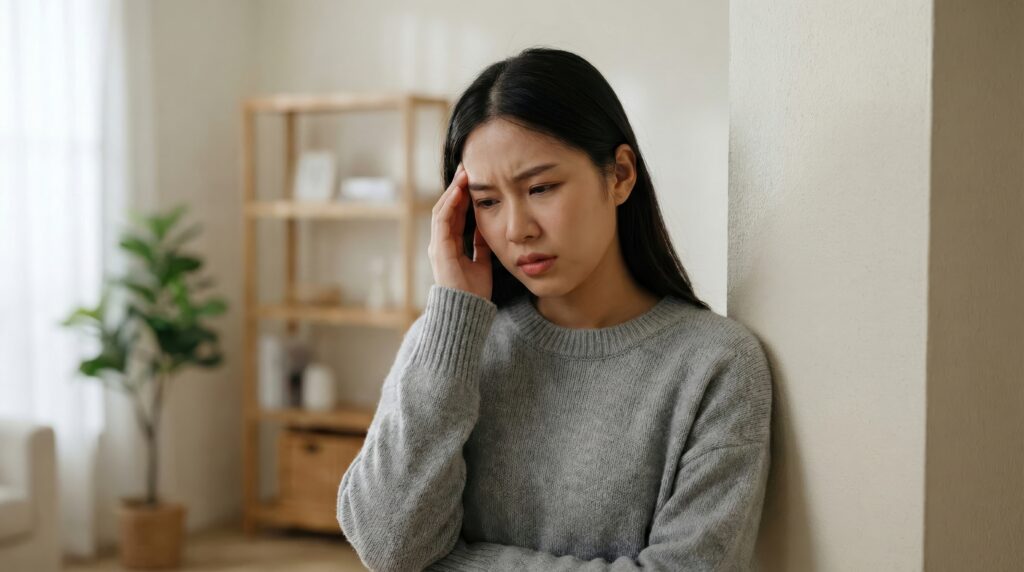
Anxiety often lives in the body. You might notice tight shoulders, jaw clenching, headaches, stomach discomfort, or a sense of being unable to fully relax.
Feeling On Edge or Easily Overstimulated
Sounds, crowds, or small disruptions may feel overwhelming. You might feel jumpy, irritable, or emotionally raw without knowing why.
Trouble Sleeping or Feeling Rested
Anxious thoughts can make it hard to fall asleep or stay asleep. Even after rest, you may wake up feeling tired or wired.
Difficulty Concentrating
Your attention may drift, not because you don’t care, but because your mind is busy scanning for potential threats or problems.
Avoidance or Pulling Back
You might start avoiding situations, conversations, or decisions that feel too activating. This can look like procrastination or withdrawal, but it’s often an attempt to stay regulated.
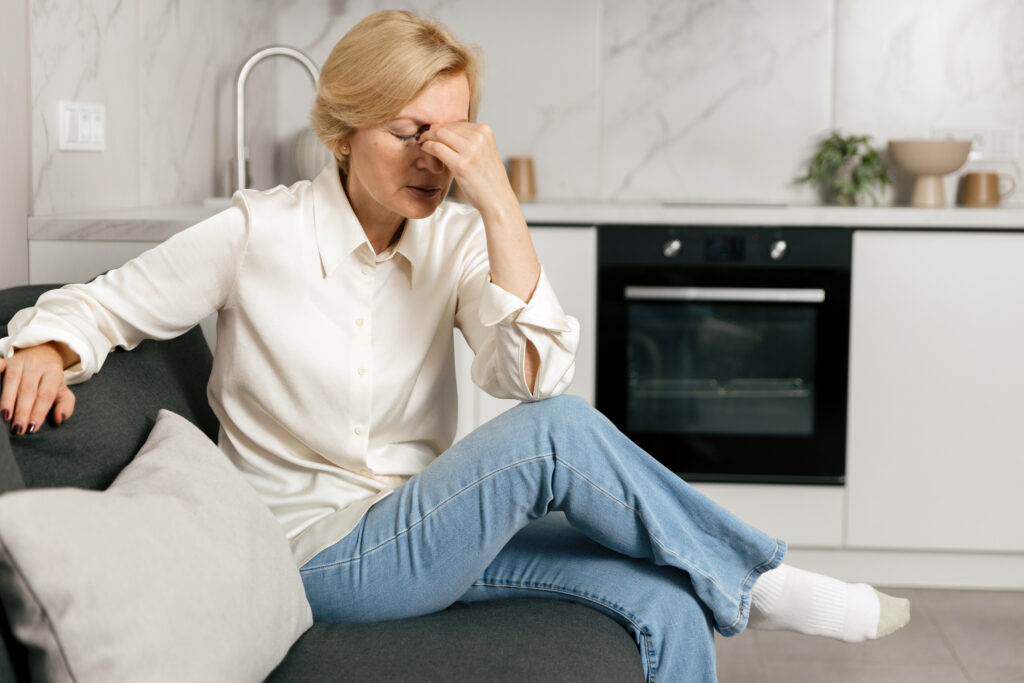
What Are the Symptoms of an Anxiety Attack in Women?
Anxiety attacks can be frightening, especially the first time they happen. It’s understandable if you worry that something is physically wrong. Symptoms of an anxiety attack in women may include:
- A racing or pounding heart
- Shortness of breath or tightness in the chest
- Dizziness, shaking, or sweating
- Nausea or a feeling of losing control
- A sudden surge of fear or panic
Is Anxiety the Same as an Anxiety Disorder?
Feeling anxious is part of being human. An anxiety disorder is identified when anxiety becomes persistent or begins to interfere with emotional well-being. For some women, ongoing anxiety can be a type of anxiety disorder, and noticing that is often the first step toward feeling less alone with it.
Generalized anxiety disorder
Worry stretches across many areas of life, health, relationships, work, or the future, and is difficult to quiet, even when there’s no immediate problem.
Panic disorder
Panic disorder involves recurring anxiety attacks that can feel sudden and intense. These episodes may include physical symptoms like a racing heart, dizziness, or shortness of breath, often creating fear that something serious is wrong.
Social anxiety
Social anxiety centers on fear of judgment, embarrassment, or being perceived negatively by others. It can make social situations feel draining or unsafe, even when you want a connection.
Trauma-related anxiety
Trauma anxiety symptoms in women are shaped by past or ongoing trauma. The nervous system remains on high alert, reacting to reminders of past experiences even when you’re no longer in danger.

What Causes Anxiety in Women?
It’s natural to ask why this is happening. Many women assume they’re just “wired this way” or not coping well enough.
Anxiety in women often develops from a combination of:
- Long-term stress or emotional overload
- Trauma or unresolved past experiences
- Hormonal changes across life stages
- Caregiving roles and responsibilities for others
- A nervous system that hasn’t had space to rest or reset
How Can You Tell If It’s Anxiety or Something Else?
This question comes up often, especially when anxiety symptoms in women feel physical. Anxiety can mimic other conditions, which is why it often creates more worry.
Stress tends to ease when circumstances change. Anxiety usually lingers. If tension, worry, or physical symptoms persist even during calm moments, anxiety may be part of the picture. You don’t need certainty to take your experience seriously. Noticing the pattern is enough to start a conversation.
Why Anxiety in Women Is Often Minimized or Missed
Women are often praised for being attentive, responsible, and emotionally aware, traits that can mask anxiety. Constant worry may be seen as being “on top of things.” Tension may be dismissed as stress.
Because many women continue functioning, anxiety is easy to overlook, both by others and by themselves. Over time, this can lead to feeling unseen or misunderstood, even while carrying a heavy internal load.

How Anxiety Is Supported at Casa Capri
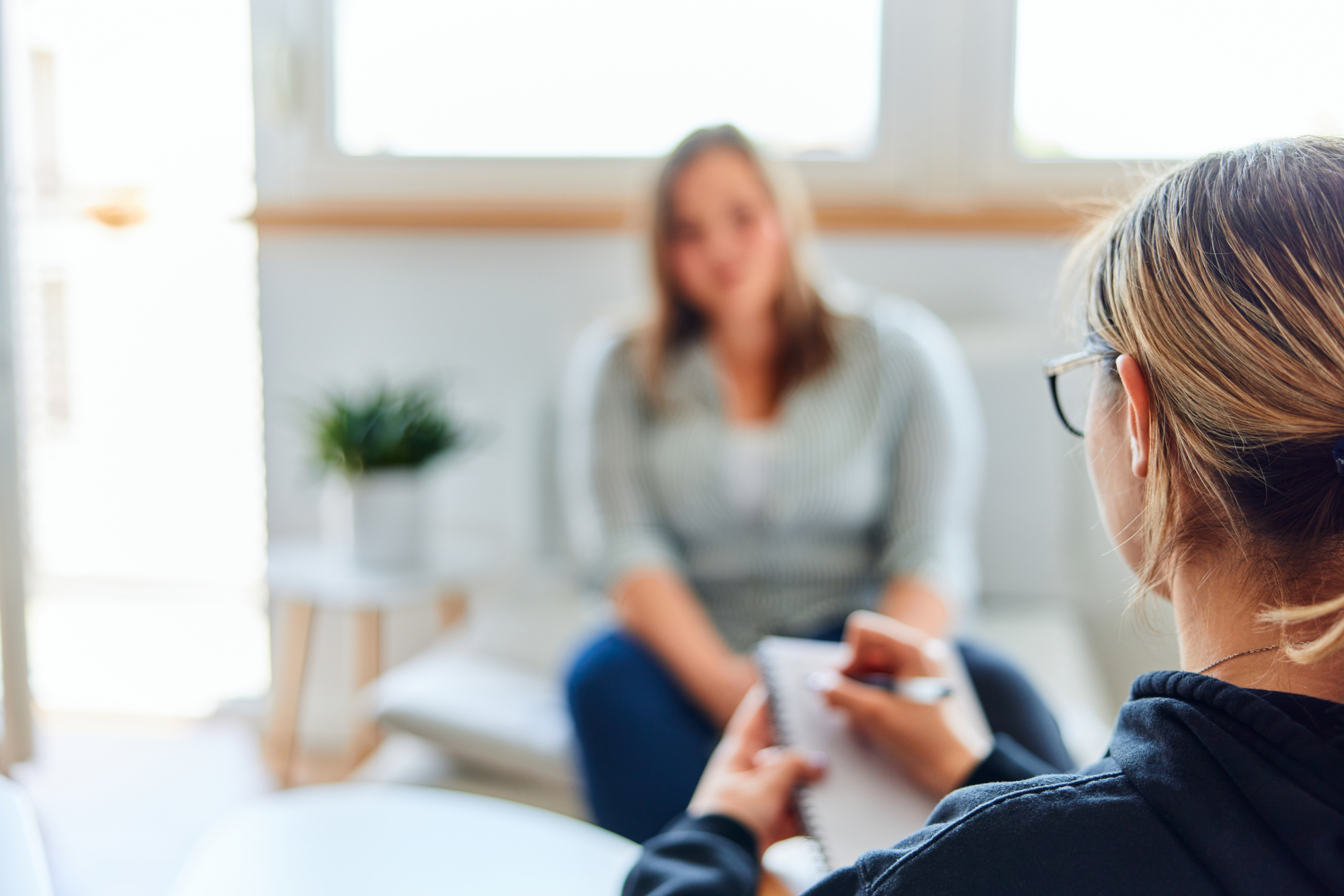
At Casa Capri, our programs are designed specifically for women, recognizing how anxiety often overlaps with trauma, substance use, and emotional overload.
Support For Generalized Anxiety And Chronic Worry
Therapy focuses on helping the nervous system settle and building tools to manage persistent worry without self-judgment. Approaches like CBT, DBT, and somatic therapy support emotional regulation and a greater sense of steadiness over time.
Support For Panic And Anxiety Attacks
Care emphasizes understanding the body’s fear response and restoring a sense of safety. Psychiatric support may be part of care when helpful, alongside body-based practices like breathwork and programs for anxiety and panic.
Support For Trauma-Related Anxiety
Trauma-informed therapies such as EMDR and experiential approaches help process past experiences at a pace that feels manageable. The goal is not to relive trauma, but to reduce its grip on the present.
Support For Whole-Person Regulation
Anxiety affects the whole body, not just the mind. Fitness, sound therapy, grounding practices, and nutrition for recovery support physical regulation, while long-term community and alumni connections help reduce isolation and build stability beyond treatment.
A Moment to Pause
Many women notice symptoms of anxiety in women simply because something inside feels different or harder to explain. Sometimes, having access to compassionate women’s mental health treatment can help bring clarity, but you’re allowed to take your experience seriously even before you have answers.
Next Steps
If you’re struggling with addiction, you don’t have to face it alone. At Casa Capri, we offer expert, women-centered care in a supportive and nurturing space—designed by women, for women. Our team is here to help you heal with purpose and connection.
Call our admissions team for a free, confidential chat—we’ll even check your insurance and estimate any costs upfront.
FAQ About Anxiety Symptoms in Women
Are anxiety symptoms different in women than in men?
Anxiety symptoms in women typically manifest in physical tension, chronic worry, and emotional overload, especially while continuing to function day to day. Men, on the other hand, tend to cover up symptoms with work, staying busy, or sometimes through substance use.
Can anxiety and depression happen together?
Yes. Anxiety and depression frequently overlap, particularly when stress or trauma has been ongoing.
Are hormonal changes linked to anxiety symptoms in women?
Hormonal shifts can influence anxiety, especially around menstrual cycles, pregnancy, postpartum periods, and perimenopause.
Can substance use affect anxiety symptoms?
Substances may offer temporary relief, but over time, they often intensify anxiety and make regulation harder.
When is it time to reach out for support?
If anxiety is affecting your sleep, relationships, or sense of self, or if you feel constantly on edge, support may help. You don’t need to wait for things to get worse.