

Quick Answer: You may be an alcoholic if alcohol has become hard to control or keeps causing harm to your health, relationships, work, or mood. The DSM-5 lists 11 signs, and meeting just two within a year points to alcohol use disorder (AUD), which can be mild, moderate, or severe. You don’t need to drink every day or lose everything for it to count, and signs like secrecy, cravings, withdrawal symptoms, or repeated promises to cut back are reason enough to reach out for help.
Whether you or a loved one is ready to begin treatment or just has questions, contact us today.
Next Steps
If you’re struggling with addiction, you don’t have to face it alone. At Casa Capri, we offer expert, women-centered care in a supportive and nurturing space—designed by women, for women. Our team is here to help you heal with purpose and connection.
Call our admissions team for a free, confidential chat—we’ll even check your insurance and estimate any costs upfront.
What Does It Mean to Ask, “Am I an Alcoholic?”
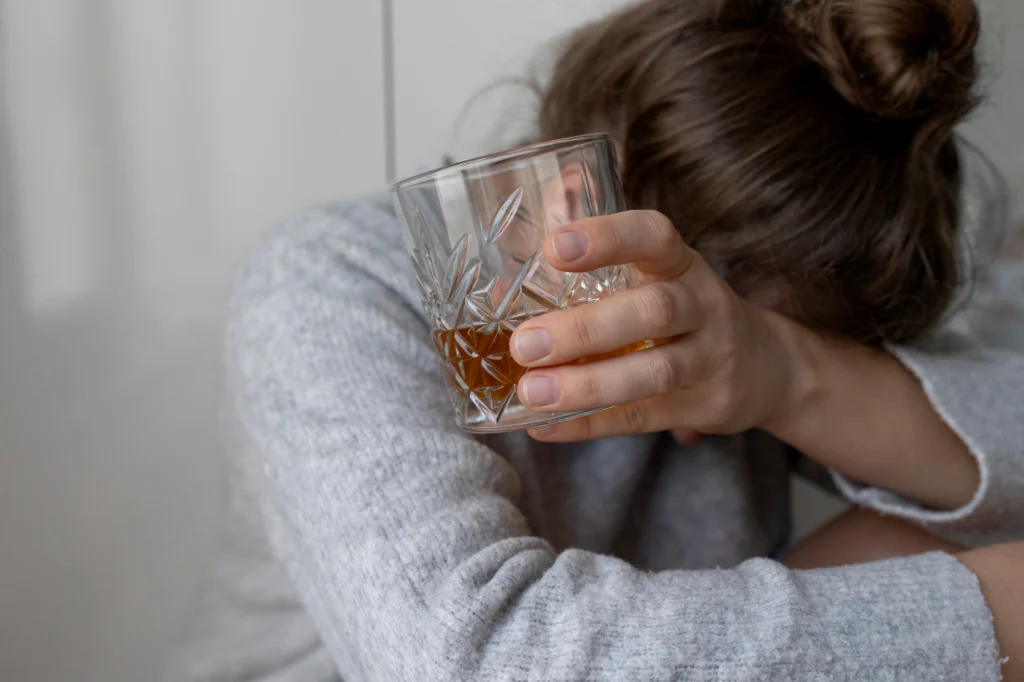
Asking “Am I an alcoholic?” usually means drinking has started to feel confusing, frightening, or harder to explain. You may be wondering whether you drink too much, whether you can stop, or whether the private cost of alcohol has become bigger than other people realize.
The word “alcoholic” can feel heavy, so many clinicians use the term “alcohol use disorder” instead. Alcohol use disorder describes a medical condition where drinking continues despite negative consequences, cravings, failed attempts to cut back, tolerance, withdrawal symptoms, or harm to daily life.
For women, this question can be especially complicated because the outside picture may still look stable. You may be working, parenting, caring for family, keeping appointments, and doing what needs to be done while privately feeling scared by your relationship with alcohol.
What Are the Signs of Alcoholism in Women?
The signs of alcoholism in women often show up through changes in control, honesty, health, mood, and daily functioning. A woman doesn’t have to match every sign to need help, but repeated patterns deserve attention.
Common signs can include:
- Drinking more or longer than you planned
- Trying to cut back but returning to drinking
- Thinking about alcohol often or craving it
- Hiding alcohol use or minimizing how much you drink
- Drinking alone or before social events
- Needing more alcohol to feel the same effect
- Having blackouts, memory gaps, or unsafe moments after drinking
- Feeling shaky, anxious, sweaty, nauseous, or unwell when alcohol wears off
- Continuing to drink after conflict, guilt, health concerns, or work problems
How Does the DSM-5 Define Alcohol Use Disorder?
The DSM-5 defines alcohol use disorder by 11 criteria related to control, cravings, consequences, tolerance, and withdrawal. If someone meets two or three criteria in 12 months, AUD is considered mild. Meeting four or five criteria translates to moderate AUD, while six or more indicates severe AUD.
This matters because many women assume they only need help if drinking has destroyed everything. In reality, alcohol use disorder exists on a spectrum. Early signs still count, and recognizing them sooner can make treatment feel less overwhelming.
A clinical diagnosis should come from a qualified professional, but the DSM-5 framework can help you understand why your concern is valid. If alcohol is changing your choices, your body, your relationships, or your ability to feel emotionally steady, it’s worth talking with someone who understands addiction in women.
Can You Be a High-Functioning Alcoholic and Still Need Help?
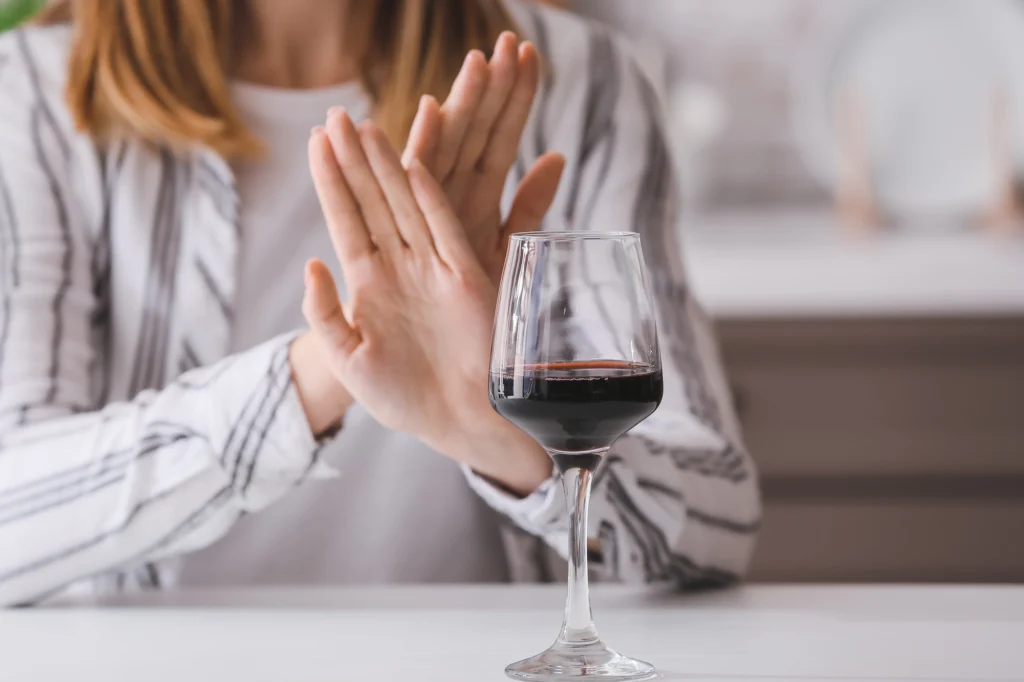
Yes, you can appear high-functioning and still have alcohol use disorder. Work, family responsibilities, social plans, and daily routines can continue for a long time while alcohol quietly becomes central to how you cope.
The term “high-functioning alcoholic” isn’t a clinical diagnosis, but many women recognize themselves in it. You may be dependable in public while privately drinking to sleep, calm down, celebrate, recover from stress, or get through emotional pain.
Functioning isn’t the same as being well. If alcohol is affecting your honesty, safety, mood, memory, physical health, or ability to feel present, it may be time to ask for support, even if no one else has noticed.
How Much Drinking Is Too Much for Women?
Drinking may be too much when the amount, frequency, or consequences are affecting your life. For women, binge drinking is commonly defined as four or more drinks on one occasion, and heavy drinking is often defined as eight or more drinks per week.
A woman may meet alcohol use disorder criteria even if she drinks below heavy drinking levels, especially if she experiences cravings, failed attempts to stop, withdrawal symptoms, or continued drinking despite harm.

Why Can Alcohol Affect Women Differently?
Alcohol can affect women differently because women often reach higher blood alcohol levels than men after drinking the same amount. This can increase the risk of alcohol-related harm to the liver, heart, brain, mood, sleep, and overall health, sometimes at lower drinking levels.
This is why women-centered care matters. For many women, alcohol becomes the main way to manage trauma, anxiety, depression, loneliness, or the pressure of caring for everyone else. At Casa Capri Recovery, care looks underneath your drinking to understand what alcohol has been helping you carry, then builds safer support around that pain so sobriety feels sustainable.
A women-only setting can also make it easier to speak honestly. Many women feel safer opening up when care acknowledges trauma, relationships, body image, shame, motherhood, caregiving, and the emotional weight that can sit underneath substance use.
When Are Alcohol Withdrawal Symptoms a Warning Sign?
Alcohol withdrawal symptoms are a warning sign that your body may have become physically dependent on alcohol. Symptoms can include shakiness, sweating, nausea, anxiety, irritability, headache, trouble sleeping, fast heartbeat, and feeling unwell when alcohol wears off.
In some cases, alcohol withdrawal can become serious and may include confusion, hallucinations, seizures, or other medical risks. If you drink heavily, drink daily, or have withdrawal symptoms, it’s safest to speak with a medical or treatment professional before stopping suddenly.
Withdrawal doesn’t mean you’re beyond help. It means your body may need support during the first stage of recovery, and the right level of care can help you begin more safely. Detoxing under professional care is often the safest way forward.
How Can Casa Capri Help Women Struggling with Alcohol or Drug Addiction?
We help women struggling with alcohol or drug addiction through compassionate, women-centered care in Orange County. Our treatment environment is designed by women, for women, with support for substance use, co-occurring mental health concerns, trauma, and the life circumstances that can make recovery feel complicated.
If you’re asking whether your drinking has become a problem, you don’t have to answer that alone. Our admissions team can talk with you confidentially, help you understand possible levels of care, verify insurance, and guide you toward the next step that fits your needs.
Whether you’re worried about alcohol, another substance, or both, Casa Capri offers a supportive place to heal with connection, purpose, and care that sees the whole woman.
Recovery can begin with one honest conversation. Contact us today.
Next Steps
If you’re struggling with addiction, you don’t have to face it alone. At Casa Capri, we offer expert, women-centered care in a supportive and nurturing space—designed by women, for women. Our team is here to help you heal with purpose and connection.
Call our admissions team for a free, confidential chat—we’ll even check your insurance and estimate any costs upfront.
FAQs About Am I an Alcoholic?
How is alcohol use disorder diagnosed?
A qualified professional diagnoses alcohol use disorder using the DSM-5, checking how many of the 11 criteria you’ve experienced in the past year. A self-assessment or honest conversation can be a starting point, but only a clinical evaluation can confirm the diagnosis and help match you with the right level of care.
Is it normal to feel ashamed about my drinking?
Yes, shame is one of the most common feelings women describe, and it’s also one of the biggest reasons they wait to ask for help. Drinking patterns often grow from stress, trauma, or exhaustion rather than weakness, and reaching out is a sign of strength, not failure.
Will I have to go to residential treatment, or are there other options?
Not necessarily. Care ranges from detox and residential treatment to outpatient and virtual options, and the right level depends on your symptoms, withdrawal risk, and life circumstances. A confidential conversation can help you understand which option fits before you commit to anything.
Can I have alcohol use disorder if I only drink wine or beer?
Yes, AUD is based on the pattern and consequences of drinking, not the type of alcohol. Wine, beer, liquor, canned cocktails, and other alcoholic drinks can all become part of an unhealthy pattern if alcohol is causing harm or feels difficult to control.
Should I stop drinking on my own if I think I have a problem?
It depends on how much you drink, how often you drink, and whether you have withdrawal symptoms. If you feel shaky, anxious, sweaty, nauseous, or unwell when alcohol wears off, speak with a medical or treatment professional before stopping suddenly.
Can Casa Capri help if I am also struggling with anxiety, depression, or trauma?
Yes, Casa Capri Recovery supports women with substance use and co-occurring mental health concerns in a women-centered setting. If alcohol has become connected to anxiety, depression, trauma, or emotional overwhelm, treatment can help address both the drinking and what sits underneath it.