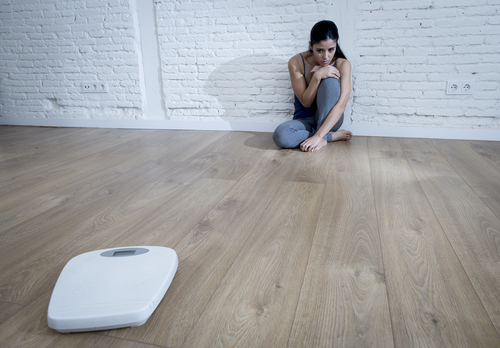



Many women experience depression related to drinking without realizing the connection. Furthermore, mental health studies indicate that major depressive disorders are more common (around 48%) in women who are dependent upon alcohol. This guide explains what alcohol induced depression is, how it develops, and the signs to watch for so you can get the support you deserve.
Next Steps
If you’re struggling with addiction, you don’t have to face it alone. At Casa Capri, we offer expert, women-centered care in a supportive and nurturing space—designed by women, for women. Our team is here to help you heal with purpose and connection.
Call our admissions team for a free, confidential chat—we’ll even check your insurance and estimate any costs upfront.
Understanding Alcohol-Induced Depression
Alcohol induced depression occurs when heavy, frequent, or prolonged drinking begins to disrupt brain chemistry. Alcohol affects neurotransmitters responsible for mood, motivation, and emotional balance. Over time, this interference can create depressive symptoms that feel just as real and intense as clinical depression.
How Alcohol Impacts the Brain and Mood
Alcohol acts as a depressant, slowing down the central nervous system. While it may temporarily relieve stress or sadness, the rebound effect often creates deeper emotional lows. Regular drinking also reduces serotonin and dopamine, two key chemicals that regulate happiness and emotional stability.
Common Signs of Alcohol-Induced Depression
Persistent Sadness or Hopelessness
A noticeable decline in mood that lingers beyond a hangover may suggest depression linked to alcohol use.
Loss of Interest in Activities
If hobbies, relationships, or responsibilities no longer feel meaningful, alcohol-related mood changes may be involved.
Increased Irritability
Emotional sensitivity, impatience, or frequent frustration can appear as the brain tries to stabilize after alcohol exposure.
Low Energy and Fatigue
Alcohol affects sleep quality, making women feel drained, foggy, or unmotivated throughout the day.
Changes in Appetite or Weight
Some people lose interest in food, while others turn to emotional eating as alcohol increases stress.
Difficulty Concentrating
Trouble focusing, making decisions, or staying organized can stem from an alcohol-related chemical imbalance.
Worsening Anxiety
Depression and anxiety often overlap, especially when alcohol disrupts natural stress-management pathways.
Thoughts of Self-Harm
Any thoughts of self-harm or suicide require immediate professional support. Alcohol can intensify these feelings.

How Long Does Alcohol-Induced Depression Last?
The length of alcohol-induced depression varies from person to person. For some women, symptoms may begin to improve within a few days or weeks of stopping alcohol use. For others, the brain may need several months to fully rebalance. Factors such as drinking history, overall health, trauma, genetics, and co-occurring mental health conditions all influence recovery time.
If you are asking the question, “How long does alcohol-induced depression last?” – it’s important to understand that what matters most is seeking help early. With professional support, mood stabilization typically occurs more quickly, and women learn healthier ways to manage stress, emotions, and daily challenges. Healing is possible, and you don’t have to navigate it alone.
How Alcohol Use and Depression Reinforce Each Other
Drinking to cope with stress or sadness can quickly become a cycle. Alcohol temporarily numbs discomfort, but the emotional crash that follows often feels worse. This pattern can make women feel trapped, ashamed, or unsure where to turn.
When It’s Time to Seek Help
If you notice ongoing depression, a shift in your drinking habits, or emotional changes that disrupt daily life, reaching out for help is a strong and courageous step. Alcohol induced depression treatment can make a significant difference, especially when care is tailored to the unique emotional and physical needs women experience during recovery.
How Casa Capri Recovery Supports Those Struggling With Alcohol-Induced Depression
Casa Capri Recovery offers compassionate, evidence-based treatment designed specifically for women. Our alcohol rehab program blends trauma-informed care, mental health support, and individualized treatment planning. We help women understand the root causes of alcohol use, heal emotional wounds, and rebuild confidence.
Our team specializes in dual-diagnosis treatment, ensuring both alcohol use and depression are addressed together. With a supportive environment and experienced professionals, women receive the tools they need to recover and reclaim their lives. If you or someone you love is struggling with alcohol induced depressive disorder, contact us today for the quality care and restorative treatment you deserve.

Taking the Next Step Toward Healing
Alcohol-induced depression is treatable, and you do not have to face it alone. If you or someone you love is experiencing these symptoms, Casa Capri Recovery is here to guide you toward a healthier, more hopeful future.
Reach out today to speak with a caring team member who can answer questions and help you begin your path to healing.
Next Steps
If you’re struggling with addiction, you don’t have to face it alone. At Casa Capri, we offer expert, women-centered care in a supportive and nurturing space—designed by women, for women. Our team is here to help you heal with purpose and connection.
Call our admissions team for a free, confidential chat—we’ll even check your insurance and estimate any costs upfront.
FAQs About Alcohol-Induced Depression
Can alcohol-induced depression happen even if I don’t drink every day?
Yes. Alcohol-induced depression can develop from binge drinking or irregular heavy drinking, not just daily use. Large amounts of alcohol, even spread out over time, can disrupt your brain’s ability to regulate mood.
Is alcohol-induced depression the same as clinical depression?
No. Alcohol induced depression is directly tied to drinking behavior and often improves as the brain heals after alcohol use stops. Clinical depression can exist with or without alcohol and may require long-term treatment. In some women, both conditions occur simultaneously.
Why does alcohol make depression worse the next day?
After drinking, the brain goes through a rebound effect where chemical levels fall below normal. This drop can trigger sadness, anxiety, irritability, or emotional fatigue (commonly referred to as the “emotional hangover”).
Can alcohol-induced depression turn into a long-term mental health issue?
Yes. Without treatment, repeated alcohol-related mood shifts can increase the risk of developing chronic depression or other mental health conditions. Early intervention can prevent long-term complications.
Does stopping alcohol suddenly make depression symptoms worse at first?
For some women, mood symptoms may temporarily intensify during early sobriety as the brain adjusts. This is normal and usually short-lived. Professional support specializing in alcohol and depression can help stabilize emotions during this period.
Can certain types of alcohol trigger depression more than others?
No. There is no solid evidence indicating that any specific type of alcohol is more likely to cause depression than another. What matters most is the amount consumed, how often, and your individual sensitivity to alcohol’s effects on the brain.
Are women more likely to experience alcohol-induced depression than men?
According to several research studies published by the National Institutes of Health, alcohol induced depression in women may be more prominent than in men. This is because alcohol affects female brain chemistry and hormones differently. Women often experience mood changes from alcohol more quickly and intensely.
Can medications help with alcohol-induced depression?
Yes, in some cases. Medications may help regulate mood during recovery. These should only be used under the guidance of a medical or mental health professional who understands your history with alcohol.
Will therapy help if depression is caused by alcohol?
Absolutely. Therapy can help you explore emotional triggers, build healthier coping strategies, and address trauma or stress that may contribute to drinking. Therapy can significantly improve recovery outcomes when combined with professional addiction treatment.
How do I talk to a loved one about alcohol-induced depression?
Take a compassionate approach and avoid judgment. Share specific changes you’ve noticed, express your concern, and encourage them to reach out for support. A caring, gentle conversation often opens the door to healing.